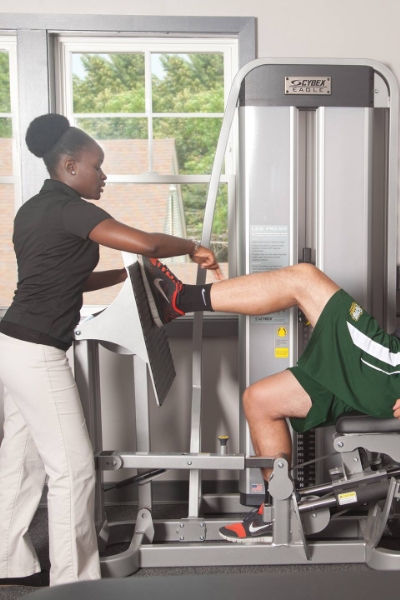

Many people have benefitted from the life-altering choice of going through physical therapy. However, some people have fortunately never needed the assistance of a physical therapist. Perhaps this is due to outstanding health, but it could also be the result of misconceptions about what physical therapy can do for them. Physical therapy plays a tremendous role in the healthcare system. Not many other fields can provide you with individualized care for your detriments, and help you improve function, performance, quality of life, and reduce pain. By understanding more about the role of physical therapists, more people may take advantage of such great services.
5 Myths Busted
- Physical therapists Are Similar to Personal Trainers – A common misconception is that physical therapists provide the same services as trainers. While they both involve assisting people with exercises, the similarities end there. Physical therapists have a doctorate degree, with significant schooling, and are required to take a licensure exam before practicing. Personal trainers can often complete online courses ranging from one weekend to a few weeks and are not required to have had any prior training in the human body. Physical therapists can offer many services in addition to exercises, individually based upon a comprehensive movement exam, where personal trainers may apply nonspecific exercises for all.
- Physical Therapy is Only For Injuries – While injured patients make up a large portion of a therapist’s clientele, it is not the only situation in which PTs work under! Physical therapy can help to improve quality of life and activities of daily life. This can include getting stronger and preventing injuries for an athlete preseason, helping senior clients reduce their fall risk at home, or even helping someone achieve a long-standing physical goal no matter how big or small. Physical therapy is very goal specific, so if someone’s goal is to be able to walk their daughter down the aisle for their wedding, then that is what your physical therapist will prepare you for.
- Physical Therapy is Only Required after Surgery– Most people assume that if you have major surgery to your knees, hips, shoulders or foot that you will likely need physical therapy. While this is true, it is not the only instance PT can help. As mentioned, physical therapy can actually help prevent surgeries, by improving motion and function and getting the individual back to what they want to do, despite what an MRI may suggest! Physical Therapy can save months of additional rehab, cost, and potentially prevent you from missing work due to surgery. Additionally, receiving physical therapy prior to surgery can improve outcomes and make the post-operative rehab process smoother and less painful. A systematic review in 2011 concluded that preoperative physical therapy reduced pain both prior to and after surgery, and improved ability to perform activities for those with knee and hip osteoarthritis undergoing surgery (Wallis). As a result, physical therapy can be an important part of your whole rehab process.
- Physical Therapy Is Only Massage– Physical therapists are experts in the musculoskeletal system and human movement. They have advanced training in dissecting movements, identifying areas to improve, and increasing function. While a typical visit may include manual therapy, massage, passive stretching, and other interventions to reduce pain, exercise will be a huge portion of getting the individual back to health. With that said, all physical therapists at Achieve Physical Therapy are trained in the Graston Technique, which involves using tools to increase the effects of manual therapy. More information on the Graston Technique can be seen here https://grastontechnique.com/Patients/.
- Chiropractic treatment and Physical Therapy are the same- While both have their role in restoring function in an individual, they are different fields entirely. They involve similar schooling, but chiropractic work is commonly more manual therapy focused. This will likely involve high-speed manipulations for alignments at various painful body parts, and the sessions are typically 20 minutes. Physical therapy is more exercise based, and manipulations are not commonly used. Typical treatments can range anywhere from 35-50 minutes.
Broken down, physical therapy can be helpful for anyone. Pain reduction is a large portion of what physical therapists do, but it can also be utilized to increase performance, reduce fall risk, improve surgical outcomes, and improve activities of daily living. Don’t hesitate, get started with PT today and be on a road to a better you!
References:
Wallis, Jason A., and Nicholas F. Taylor. “Pre-operative interventions (non-surgical and non-pharmacological) for patients with hip or knee osteoarthritis awaiting joint replacement surgery–a systematic review and meta-analysis.” Osteoarthritis and Cartilage 19.12 (2011): 1381-1395.
If you have any questions about this post or would like to speak with a physical therapist about an injury, give us a call at (978) 263-0007. We would be happy to answer any questions and discuss possible next steps.
Achieve Physical Therapy is currently open in Acton, Bedford, and Sudbury MA. We can see you in the office or by video treatment. If you choose to come into the office, we are following all CDC guidelines including the use of face coverings, cleaning, personal hygiene, and staggering patient appointments to limit how many people are in the office.