

Spring Sports and Concussions: Do You Know What To Watch Out For?
Spring Sports and Concussions:
Do You Know What To Watch Out For?
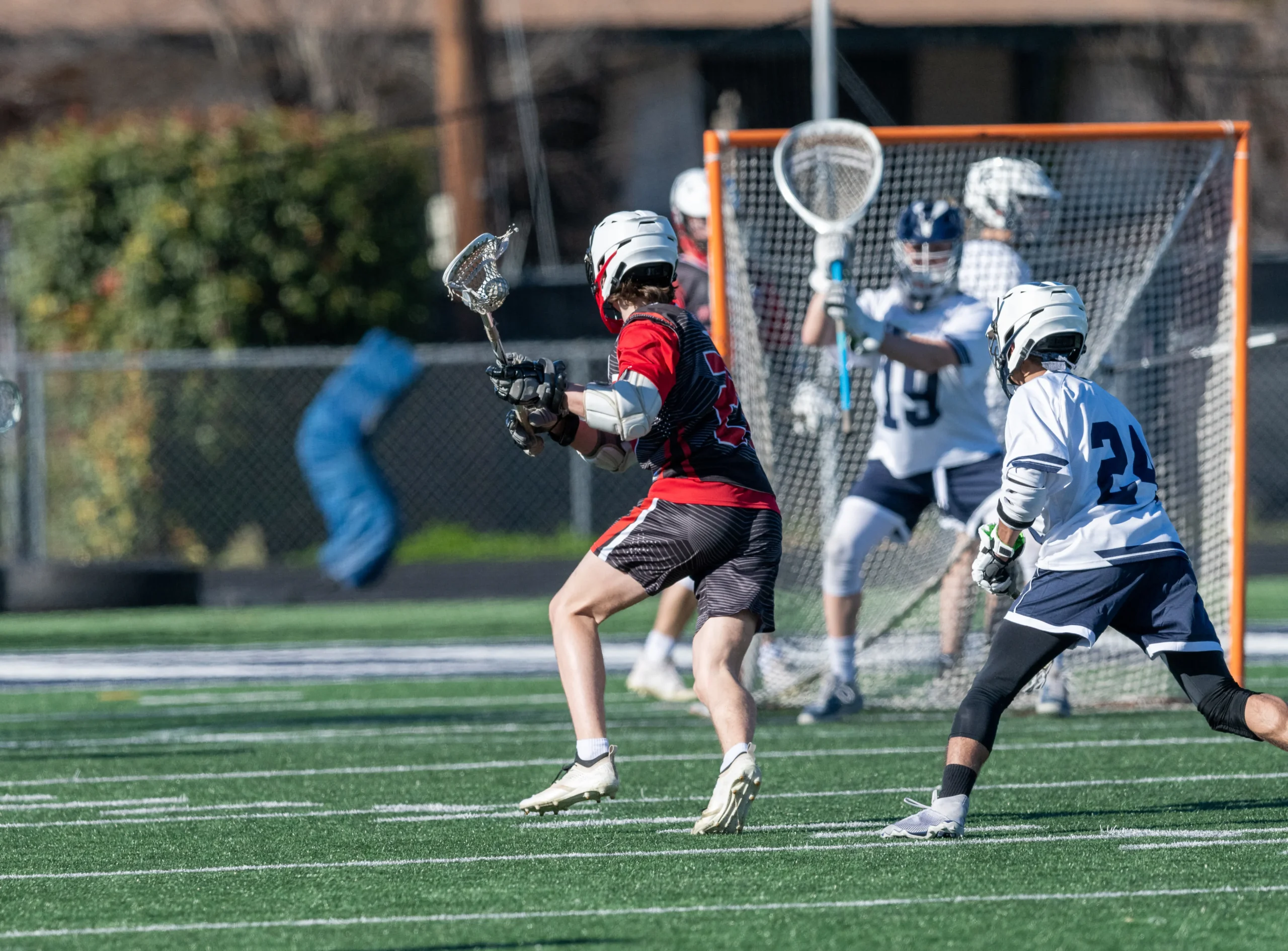
The spring sports season is upon us! Sports like lacrosse, baseball, and soccer offer fast-paced action, intense competition, and high-impact plays. But they also come with a risk: concussions.
Concussions are a type of traumatic brain injury (TBI) that occurs when a sudden hit or jolt causes the brain to move rapidly inside the skull. They’re technically classified as “mild” TBIs because they aren’t typically life-threatening. However, they can still cause a wide range of symptoms and lingering effects that can interfere with school, sports, and daily life.
If you’re an athlete, it’s essential to understand concussion. You need to know the risks, recognize warning signs, and take steps to protect yourself. Fortunately, the Achieve Physical Therapy team has you covered. Here’s everything you need to know about concussions and spring sports.
Do I Play a High-Risk Sport?
Concussions can happen to anyone, but sports that involve more physical contact and sudden movements can make concussions more likely. If you play one of these sports, be aware of their particular concussion risks:
- Lacrosse: Contact with sticks, balls, and other players
- Soccer: Heading the ball or colliding with other players
- Baseball/Softball: Impact with a fast-moving ball or an accidental collision
- Pole Vault, Hurdles, or High Jump: Falls and hard landings
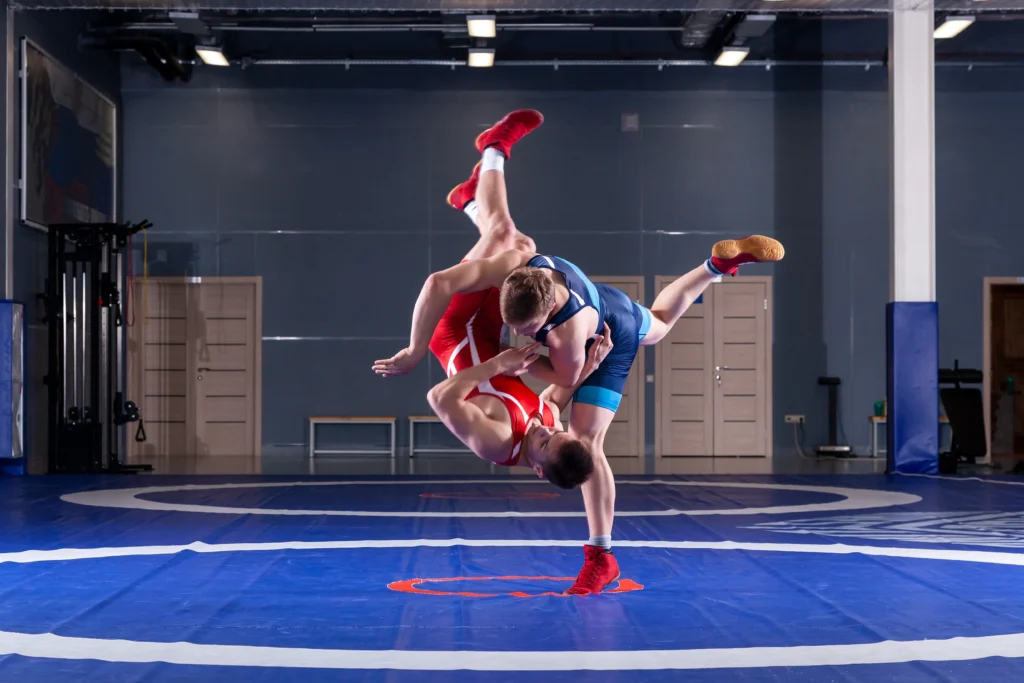
- Wrestling: Intense takedowns and forceful contact with the mat
That said, no sport is completely safe, so all athletes should be aware of concussion risks.

Lyndsey L, PT, DPT, CSCS
Lyndsey earned her Doctorate of Physical Therapy at the University of New England in 2020. She is also a Certified Strength and Conditioning Specialist. Her clinical experiences include orthopedics, neurological diagnoses, acute care, and short-term rehabilitation. Lyndsey has a special interest in treating lower body injuries and enjoys working with patients of all ages and ability levels. Lyndsey strives to create long-lasting relationships with her patients and to understand their goals so they can return to doing what they love.
Outside of work, Lyndsey likes trying new restaurants with friends, watching sports, and spending time at the lake with her family.
How Can I Spot a Concussion?
Concussions aren’t always obvious. Sometimes, symptoms appear immediately. Other times, they can take hours or even days to develop. Your best bet is to be familiar with common concussion symptoms so you can seek medical care if necessary.
One thing to keep in mind is that concussion symptoms aren’t always physical, so be vigilant for cognitive or emotional symptoms. Even if your symptoms seem mild, continuing to play can worsen the injury. Always get checked out if something feels off.
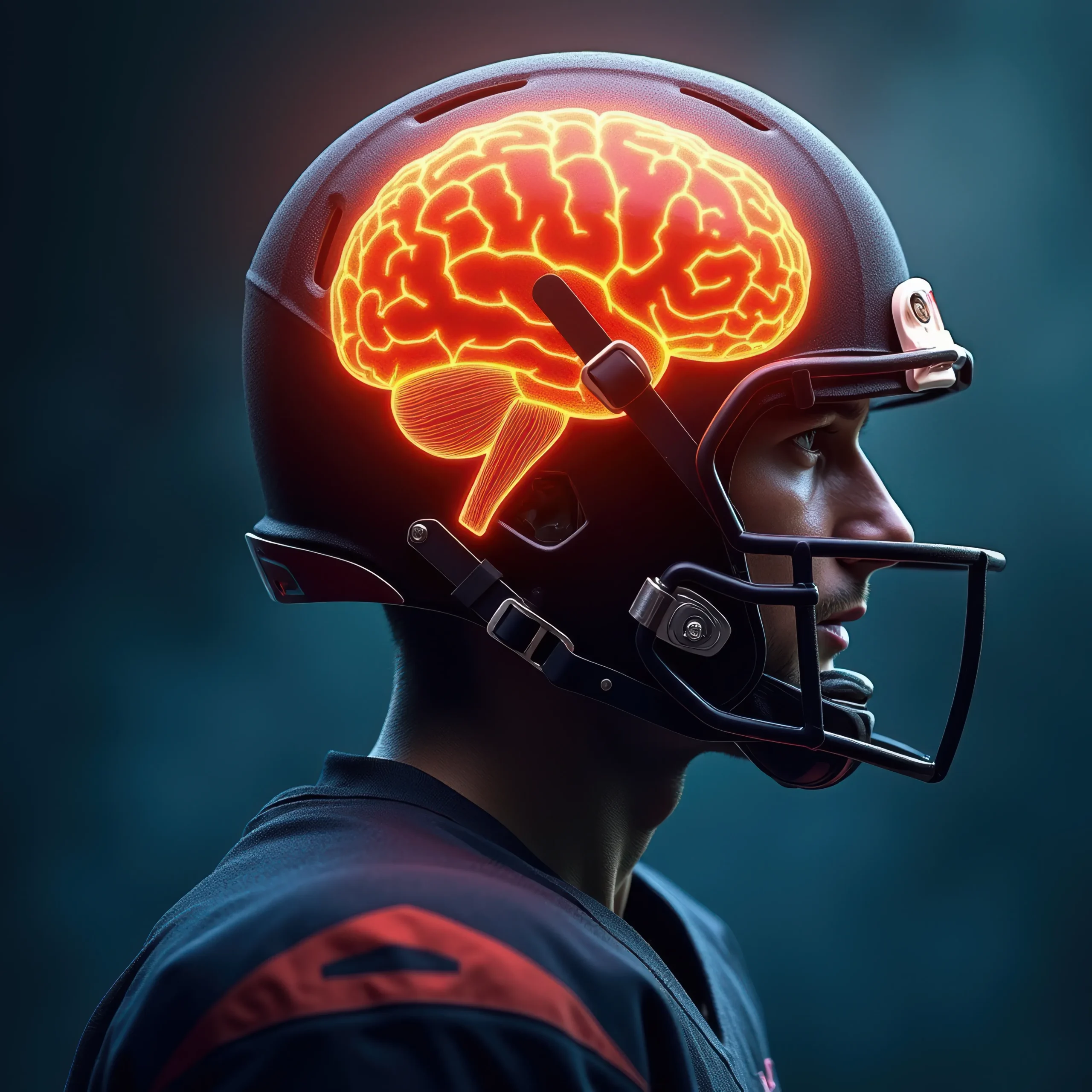
Common Concussion Symptoms
- Headache or pressure in the head
- Dizziness or balance problems
- Nausea or vomiting
- Blurry or double-vision
- Sensitivity to light or noise
- Trouble concentrating
- Memory problems
- Feeling sluggish, foggy, or confused
- Mood changes like irritability, sadness, or nervousness
- Sleep disturbances (more or less than usual)
How Can I Prevent a Concussion?
You can’t eliminate all risks, but you can take steps to lower your chances. Here’s how:
- Wear Proper Gear: Helmets, mouthguards, and protective eyewear keep you safe by helping to absorb impact.
- Practicing Safe Techniques: Make sure you know how to correctly perform risky moves, such as heading a soccer ball or absorbing contact in lacrosse.
- Build Neck Strength: Strong neck muscles help stabilize the head and reduce the impact of sudden movements.
- Staying Alert During Games and Practices: Be aware of your surroundings and anticipate potential collisions.
- Listen to Your Coach or Trainer: It’s their job to reinforce safe playing techniques and look for injuries. Don’t ignore their instructions!
What Does Concussion Recovery Look Like?
At Achieve Physical Therapy, we emphasize concussion prevention as the best way to keep yourself safe. However, if concussions do happen, it’s important that you work with a physical therapist to ensure a proper rehabilitation. Your brain needs time to heal, and ignoring symptoms or returning to play too soon can lead to more serious problems.
We tailor our concussion rehabilitation program to meet the needs of our patients. Generally speaking, you can expect to rest your brain for the first few days by limiting screen time, loud noises, and bright lights. As you improve, you’ll begin light activity, which can help with recovery. Our team will then work with you to address any lingering concussion symptoms, such as dizziness, headaches, or concentration issues.
Know Your Concussion Risks: Play Smart!
If you or a teammate experiences concussion symptoms, don’t ignore them. Seek medical attention, follow recovery steps, and give your brain the care it needs. If you have any questions or would like more personalized guidance, don’t hesitate to contact Achieve Physical Therapy.

Get Outdoors and Have Some Fun
With the warmer weather and longer days, getting outdoors is perfect for enjoying recreational activities. Here are some great ways to integrate outdoor activities into your weekly regimen:
- Pickleball for Agility: This fun and social sport improves balance and coordination. It’s low-impact, making it suitable for all ages and fitness levels.
- Golf for Mobility: Golfing is a great way to enhance mobility, especially in the hips and torso. It’s also a good walk, offering cardiovascular benefits.
- Walking for Endurance: Regular walks can significantly boost cardiovascular health and lower body strength, whether in a park or around your neighborhood.
Always listen to your body and consult your Achieve Physical Therapy team to tailor these activities to your needs!
April is your opportunity to get outside, enjoy the sunshine, and take a step towards better health!
What You Need to Know About Returning to Sports After a Concussion
We can’t stress this enough: if you’ve had a concussion, you need to properly rehabilitate before going back to sports. Rushing back into the game before you’re ready can lead to long-term problems, including a greater risk of another concussion. Returning to play after a concussion requires a structured, monitored approach, which helps your brain and body safely ease back into physical activity. Here are some things you need to be mindful of as you work through this process with us.
Six Steps to Return to Sport (And Key Considerations for Each)
Step 1: Cognitive and Physical Rest
- Avoid physical exertion, including sports and gym workouts.
- Limit screen time, loud environments, and bright lights, which can worsen symptoms.
Step 2: Light Aerobic Exercise
- Start with low-intensity activities like walking or using a stationary bike.
- Keep your heart rate low and avoid activities that require balance or sudden movements.
- Stop and rest if dizziness, headaches, or other symptoms occur.
Step 3: Sport-Specific Movement Without Contact
- Introduce light jogging, agility drills, or simple sports movements.
- Avoid jumping, cutting, or quick direction changes.
- Pay attention to any lingering symptoms. Don’t forget cognitive symptoms like brain fog!
Step 4: Non-Contact Training Drills
- Increase intensity with controlled movements such as running or shooting drills.
- Begin strength training, but keep the weight light.
- Continue monitoring for headaches, fatigue, difficulty concentrating, or other symptoms.
Step 5: Full-Contact Practice
- Once cleared by a medical professional, return to full-contact practice with supervision.
- If any symptoms appear, return to step 3 or 4, per our guidance.
Step 6: Return to Full Competition
- Only move to this step when all previous stages have been completed without symptoms and a medical provider has cleared you.
- Continue monitoring yourself for any lingering issues, especially after high-impact play.
Back in the Game: Maeli’s Road to Recovery
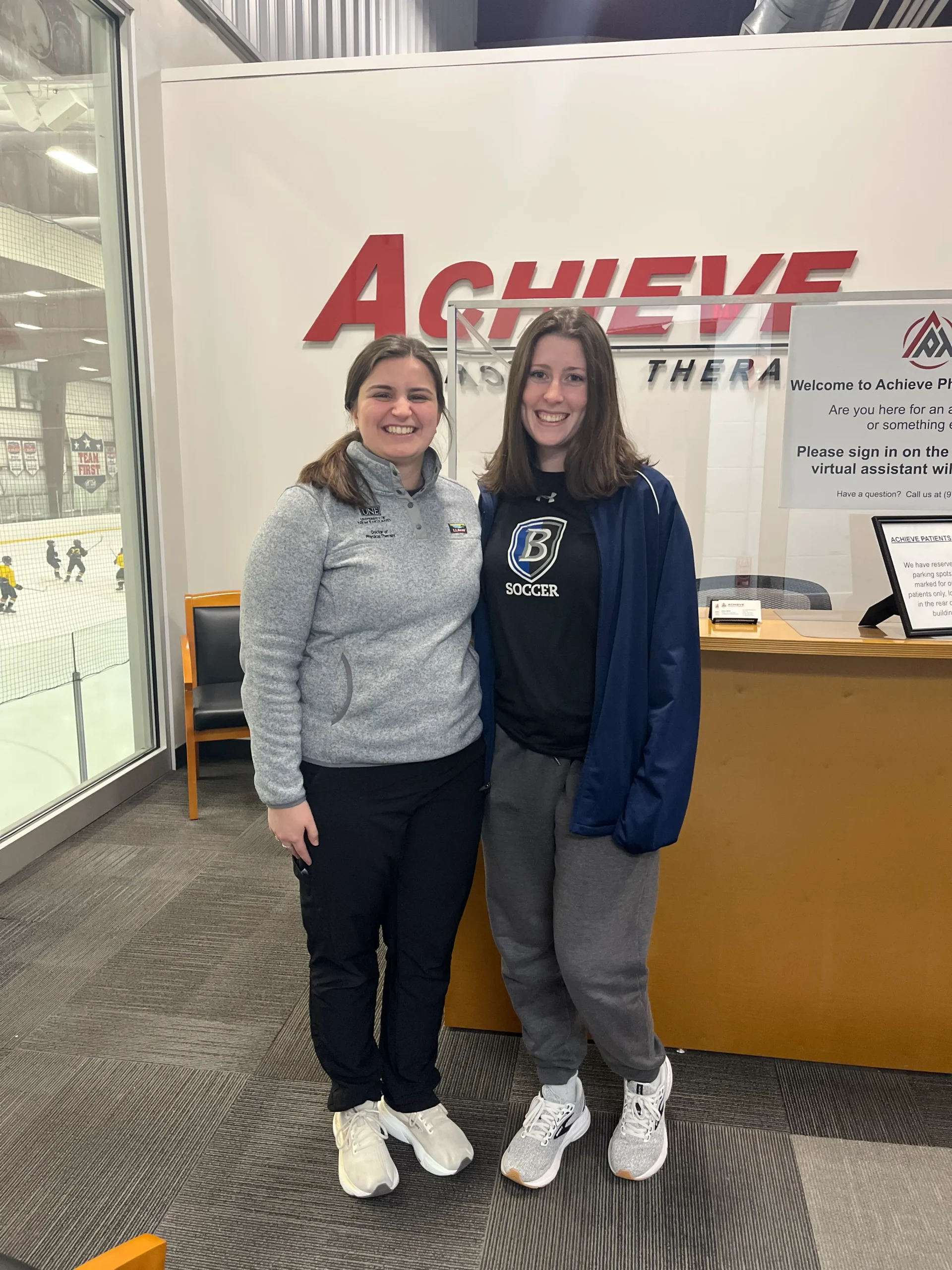
When soccer player Maeli suffered a partial tear of her right ACL, she feared her season—and possibly her future in the sport—was in jeopardy. With surgery off the table, she turned to Lyndsey L, PT, DPT, CSCS, at Achieve Physical Therapy to rebuild her strength and confidence.
Maeli’s rehab journey focused on restoring full lower body strength, improving balance and flexibility, and gradually increasing endurance. As her pain subsided, Lyndsey incorporated sport-specific drills, including running and multi-directional agility exercises, to help Maeli regain full function. The result? A stronger, more resilient knee and a safe return to high-level activity—just in time to get back on the field.
Through her dedication and hard work, Maeli accomplished her goal of returning to soccer, proving that perseverance pays off.
“Lyndsey has been amazing in my recovery from an ACL injury I got playing soccer. This was my first serious knee injury, and I was really worried about the recovery process. Lyndsey helped boost my confidence, and I started seeing progress quickly. Thanks to her, I’ve gone from constant knee pain to running pain-free. I’m grateful for her support and positive attitude throughout my time at Achieve, and I can’t wait to get back on the field!” — Maeli
Maeli’s success is a testament to what’s possible with expert guidance and a determined mindset. We’re cheering her on as she steps back onto the soccer field—stronger than ever!
Stay tuned for more inspiring stories and helpful tips in our upcoming newsletters!
We are here to help you!
One of the most important things to remember about concussion recovery is that you don’t want to do it alone–guidance from the Achieve Physical Therapy team is crucial to ensure you stay safe! To learn more, schedule an appointment with us.