

Winter Running Without Injury: Protect Your Knees, Feet & Ankles in the Cold and Prep for Marathon Season
Winter Running Without Injury:
Protect Your Knees, Feet & Ankles in the Cold and Prep for Marathon Season
Winter running challenges even the most experienced runners. Cold temperatures stiffen muscles and joints, slow coordination, and change how the feet and ankles interact with the ground. These subtle shifts can quietly overload the knees, feet, and ankles, three areas runners depend on most when mileage climbs.
At Achieve Physical Therapy LLC, we help runners stay consistent through winter by teaching smarter strategies built on evidence, not guesswork. When the goal is long-term performance and healthy miles, a few simple changes make all the difference.

Understand How Cold Weather Affects Your Body
Cold weather lowers muscle temperature and joint lubrication. That combination increases stiffness and changes how your legs absorb impact. Research shows that cold muscles and reduced elasticity can raise injury risk, while icy or uneven ground changes ground-reaction forces and balance control.
The result? Knees absorb more pressure, the Achilles tendon and plantar fascia tighten faster, and ankle stabilizer, especially the peroneal muscles, work overtime. These are often the first warning signs of overuse or strain in winter.
Warm Up Longer Than You Think You Need
A quick start might work in summer, but in winter it’s a setup for trouble. Cold tissues need more time to reach optimal elasticity. The best approach is a dynamic warm-up rather than static stretching, since long static holds can reduce short-term muscle strength.
Try this 10–15 minute warm-up before heading out:
- 3–5 minutes of light indoor cardio (jump rope, brisk walking, or cycling)
- 5 minutes of dynamic drills such as high knees, butt kicks, or skipping
- 3–5 minutes of single-leg balance and band walks to activate stabilizers
- Optional foam rolling for calves and quads, especially if you’ve had past tendon issues
This routine raises body temperature, increases blood flow, and prepares tissues for impact.
Choose Footwear That Protects You, Not Just Keeps You Warm
Winter footwear decisions matter more than most runners realize. Good traction reduces slips, but stability prevents the over-corrections that cause ankle injuries. Look for shoes with:
- Deep tread or trail-style soles for grip
- Water-resistant uppers
- A slightly wider forefoot to fit thicker socks
- Minimal wear on the outsole and midsole
If you’ve had ankle sprains before, a stable, low-drop shoe or light brace offers extra support. On icy routes, cleat covers or traction aids can prevent slips without disrupting natural gait.
Strengthen and Protect Key Joints
The knees and ankles absorb the shock of every landing. When surfaces harden or footing becomes unpredictable, the load distribution shifts. Targeted strength work reduces this risk and builds durability.
Here’s how to protect each area:
- Patellofemoral pain (knees): Avoid steep hills early in the season, increase cadence slightly, and maintain upright posture.
- Achilles and ankle stiffness: Start runs gradually, aim for 60–70% effort in the first mile, and perform gentle heel drops indoors before running.
- Plantar fascia: Keep feet warm, stretch the big toe and arch, and avoid frozen or uneven ground.
Remember cold stiffness can mimic early injury signs. Evaluate discomfort after the first ten minutes of running before assuming the worst.
Adjust Training Volume and Surfaces
Winter terrain demands flexibility. On poor surface days, reduce mileage or shift to a treadmill session instead of forcing outdoor runs. Even small amounts of packed snow or hidden ice increase mechanical load. Treat winter as a base-building phase focused on steady aerobic conditioning, not peak intensity.
How Physical Therapy Keeps Winter Runners Healthy
At Achieve Physical Therapy LLC, our one-on-one care model helps runners identify the why behind each symptom. You’ll work directly with one of our experienced physical therapists who evaluates your strength, mobility, running form, and training patterns. The plan stays tailored to your goals whether that means pain-free daily runs or a confident marathon start line.
Your personalized plan may include:
- Strength and stability training for knees, feet, and ankles
- Mobility work for joint efficiency in cold conditions
- Gait analysis to reduce impact stress
- Education on pacing, load management, and recovery
Our therapists help you keep running not by telling you to stop, but by teaching your body how to adapt safely to the conditions.
Keep the Season on Track
Winter running should build confidence, not frustration. With the right preparation, you protect your knees, feet, and ankles while building a base that sets up your strongest season yet. If winter training is leaving you sore or uncertain about your readiness, reach out to Achieve Physical Therapy LLC. Our physical therapists will guide you toward smarter training, healthier movement, and a marathon season you’re proud to start!
Are Your Running Mechanics Holding You Back?
Small technique habits stack up over winter miles. When form shifts, knees, feet, and ankles often take the hit first. The tricky part is that most runners do not feel a problem at the moment. The body adapts, then irritation shows up later on hills, downhills, or the day after a long run.
Common mechanical patterns that hold runners back include overstriding, a rigid landing, and a low cadence. Overstriding places the foot too far in front of the body. That position increases braking forces and loads the front of the knee and the Achilles. A rigid landing reduces shock absorption and asks the foot and ankle to do extra stabilizing work on uneven winter surfaces. A low cadence often pairs with both patterns.
Good mechanics start with control, not perfection. Aim for a quiet landing, steady rhythm, and a foot strike closer to the body. Keep the torso tall with a slight forward lean from the ankles, not the waist. Let the hips stay level during single leg stance. If the knee drifts inward or the arch collapses, the runner often needs stronger hips, calves, and foot muscles, plus better ankle and big toe mobility. At Achieve Physical Therapy LLC, your physical therapist watches your run, checks mobility and strength, and gives cues you can use on the next run. You stay one on one with the same therapist, so progress stays simple. If winter runs feel harder than they should, book a running mechanics check and protect marathon season today!
Reignite Your New Year’s Resolutions
Did you set big goals last month? And have they already started to fizzle out?
The good news: You’re not alone. The better news: Achieve Physical Therapy LLC can help you reignite your New Year’s resolutions so you can achieve your health and wellness goals all year long.
- Is pain holding you back? Our physical therapists will dig down to the root cause and find a lasting solution.
- Did you burn out? Many people go a little too hard at the start of the new year. We’ll help you find a sustainable health or fitness program to stay with you for life.
- Are you overwhelmed by choice? One of our comprehensive assessments can give you a sense of any biomechanical issues or muscular imbalances in your body–helping to hone your focus.
No matter what goals you set on January 1st, our team wants to see you accomplish them. Schedule an appointment with us today to get started!
Schedule An Appointment to Learn More
Ready to get started? Schedule an appointment with the team at Achieve Physical Therapy LLC to discover how enhancing your flexibility and joint mobility can improve your athletic performance.

Staff Spotlight
Hailie G.
PT, DPT
Hailie received her Doctorate of Physical Therapy degree from the University of Rhode Island. She enjoys treating patients of all ages and helping them get back to doing what they love; whether that’s hiking, chasing after their kids, running a marathon, or simply moving better without pain. Hailie is passionate about educating patients on long-term wellness, managing chronic pain, and fall prevention while creating treatment plans to meet the individual goals of every patient.
Outside of the clinic, Hailie enjoys cheering on the Gators, spending time with her family and friends, discovering new restaurants, golfing, and pilates.
Patient Spotlight: Joseph S.
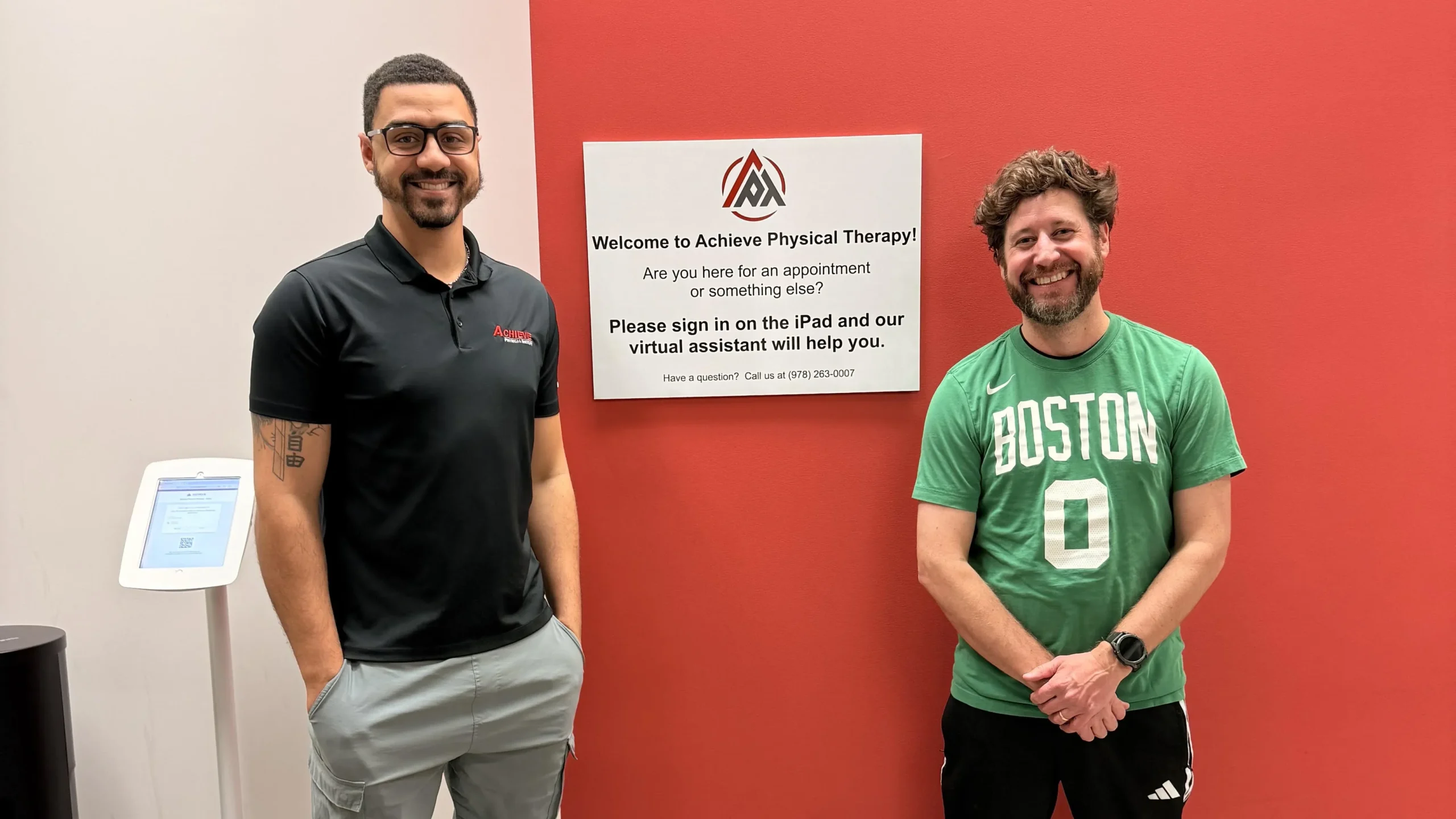
Joseph came to Achieve Physical Therapy, preparing for ACL surgery with one clear goal in mind: to run, stay active, and play with his kids without discomfort. Working with Joshua G., PT, Joseph completed a focused pre-operative rehab program designed to build strength, confidence, and knee stability before surgery.
His treatment emphasized quad strengthening early on, then progressed to functional exercises and controlled plyometrics to better prepare his knee for real-life movement demands. The goal was simple but powerful: get as strong as possible before surgery to support a smoother recovery afterward.
“After completely rupturing my ACL, I was unsure how to approach recovery, but working with Josh has been a game-changer. Through personalized physical therapy sessions, I’ve regained confidence as we focus on restoring my knee’s full range of motion and building strength in preparation for surgery. Joshua’s expertise and support have given me hope for a strong recovery, and I’m looking forward to continuing our work post-op to get back to skiing, mountaineering, running, soccer, and playing with my kids.”
Joseph’s journey highlights how pre-surgical physical therapy can set active adults up for stronger outcomes and a more confident return to the activities they love.
Stay tuned for more inspiring stories and helpful tips in our upcoming newsletters!
Contact Us
Winter miles hit differently. Cold temps can stiffen muscles, affect coordination, and increase stress on your knees, feet, and ankles. Don’t wait for pain to slow you down—schedule a PT running check to stay strong, stable, and injury-free this winter.