

Getting Back on Track: Recovering from Spring Sports Injuries
Getting Back on Track:
Recovering from Spring Sports Injuries
The spring sports season is in full swing! If you’re like most of the athletes we work with, you’re juggling practices, cross-training, and regular games or competitions. While it’s definitely exhilarating, it can also put a lot of strain on your body, which can lead to an injury if you’re not careful.
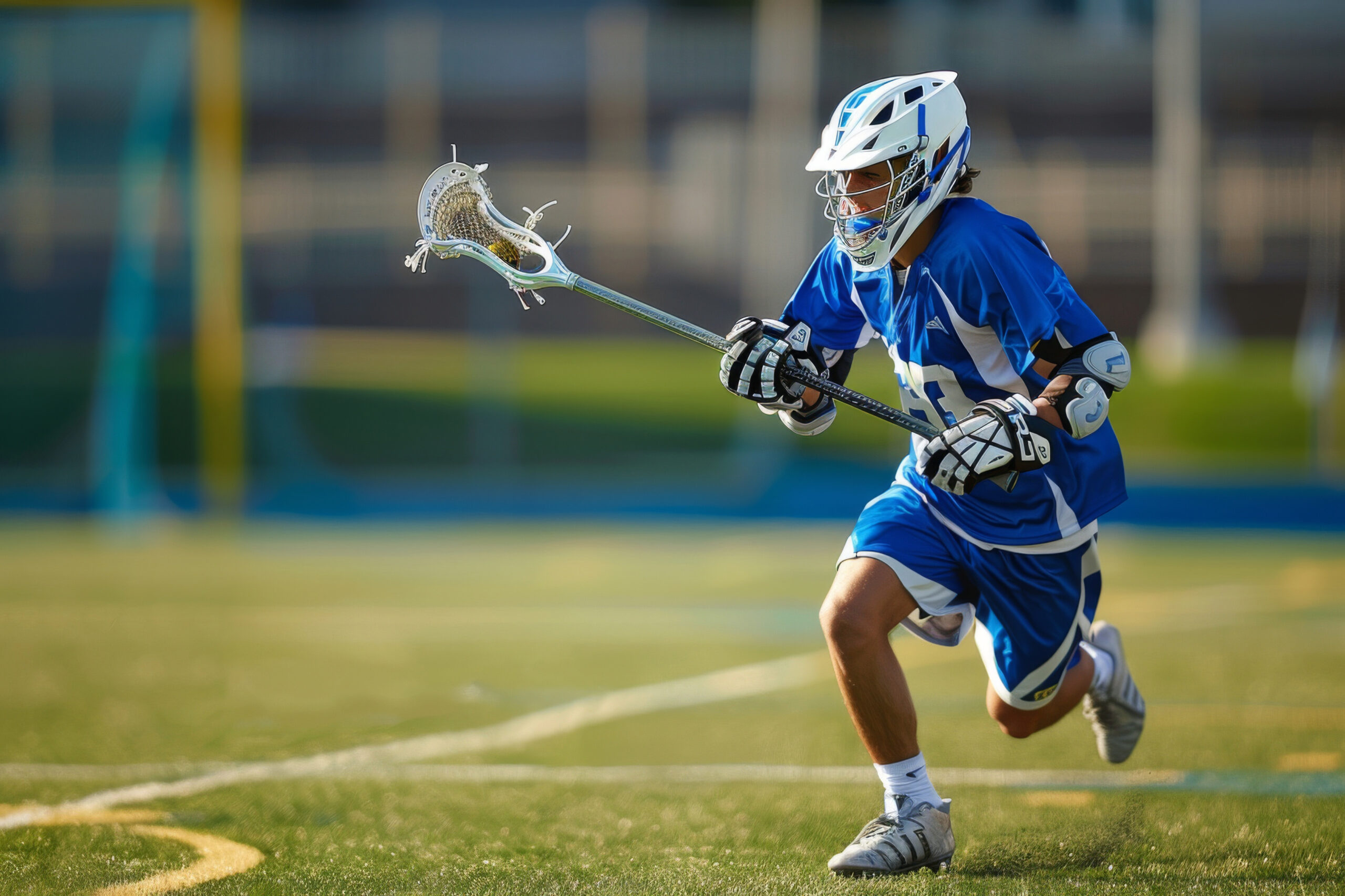
Fortunately, the team at Achieve Physical Therapy is here to help you manage any sports injuries you sustain–ensuring you return to your chosen sport as quickly and safely as possible. Today, we want to share some of the injuries common in popular spring sports, such as baseball or lacrosse, and let you know what we can do to help you recover.
Spring Sports Injuries to Watch Out For
Different sports put stress on specific parts of the body. Knowing what injuries are common in your sport can help you recognize the signs early and take action.
Baseball & Softball
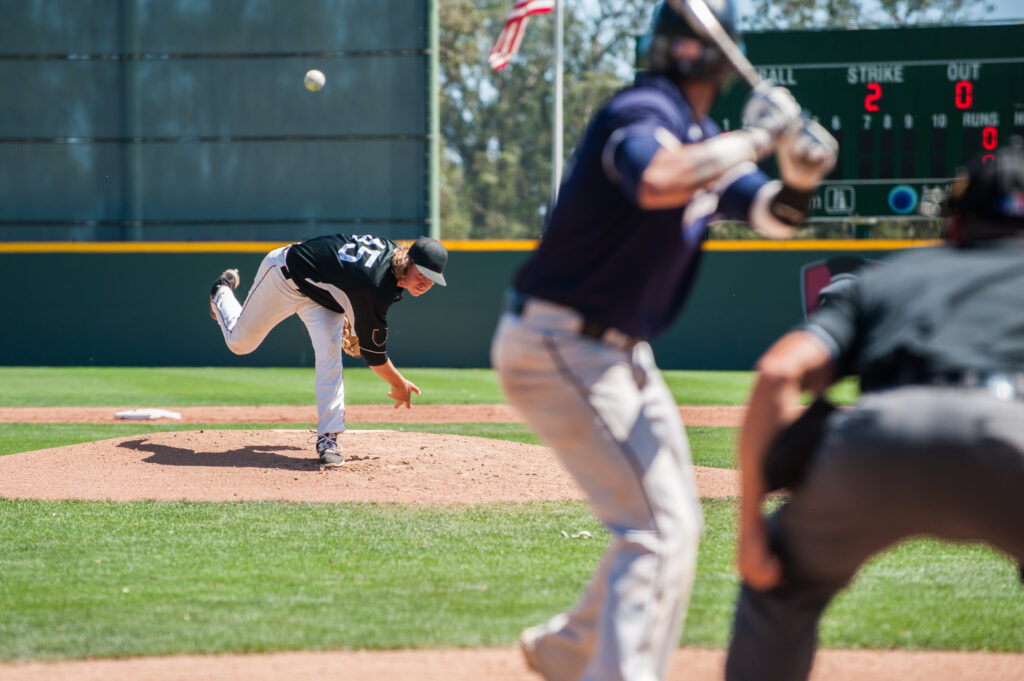
- Rotator Cuff Injuries: Damage to your rotator cuff (a group of muscles that wrap and support your shoulder) is prevalent in sports that involve overhead throwing. Watch out for pain in the front, back, or side of your shoulder, especially if it worsens with activity.
- Elbow Pain: The repetitive throwing motions in these sports can also stress your elbow joint, leading to pain and reduced range of motion.
- Hamstring Strains: Sprinting between bases can stress the hamstring muscles, leading to a sharp, sudden pain in the back of the thigh.
Lacrosse
- Knee Ligament Sprains: Lacrosse involves a lot of cutting, pivoting, and sudden stops, which can damage your knee ligaments. Most knee ligament injuries happen suddenly–you may hear a “pop” followed by intense pain and a sense of weakness in the knee.
- Ankle Sprains: Those quick directional changes can also impact your ankle stability, which can cause you to roll an ankle, leading to pain. Symptoms are similar to a knee ligament injury.
- Concussions: Because lacrosse is a full-contact sport, watch out for the concussions, which occur after a fall or bump to the head.
Track & Field
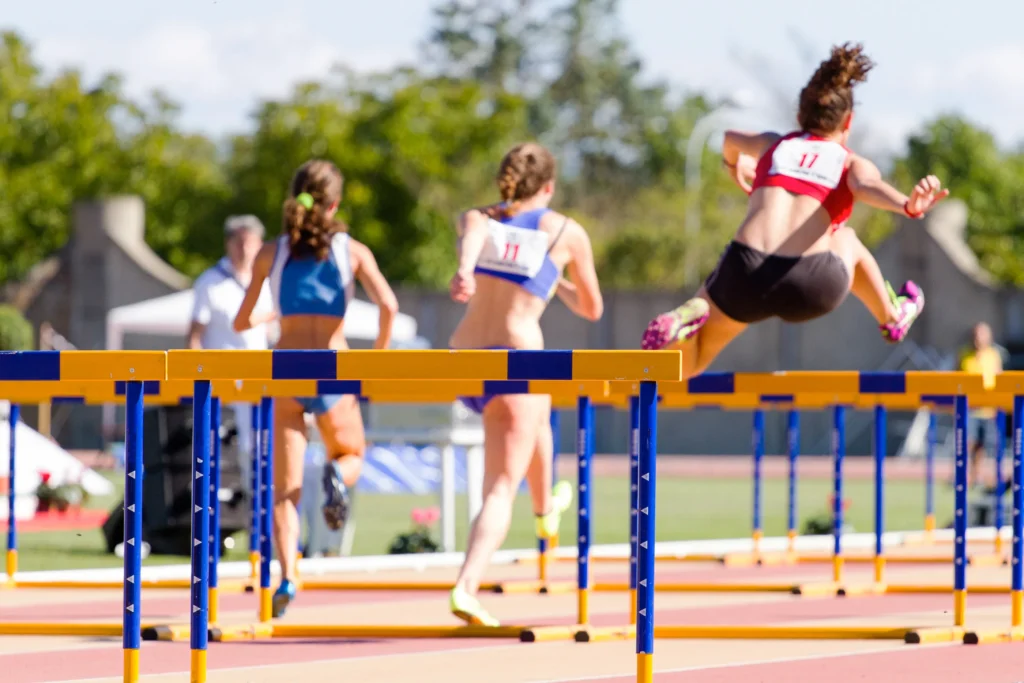
- Shin Splints: Running on hard surfaces or jumping too quickly into a new workout routine can lead to shin splints, which cause pain along the inside of the shinbone.
- Stress Fractures: Stress fractures are small cracks in the bones of the feet or legs that develop due to overuse. You’ll typically experience a dull, aching pain that gradually worsens.
- Achilles Tendonitis: Repeated jumping and sprinting can inflame the Achilles tendon, leading to pain and stiffness in the back of the heel.

Angela P-Sites, PT, DPT, Staff Physical Therapist
Angela earned her Doctor of Physical Therapy degree from George Washington University in 2022 after earning a Bachelor of Science in Kinesiology from James Madison University in 2019. Angela also earned her Certified Yoga Instructor title in December of 2023. She started her career outside of Washington D.C. working with high level high school, collegiate, and semi-professional athletes. She brings a strong background in sports medicine conservative and post-operative rehabilitation along with a special interest and skill set in postpartum women and the hypermobile community. Angela enjoys treating patients of all abilities, promoting general health and wellness in all her patients, and helping all return to an active lifestyle.
Why You Should Consider Physical Therapy After a Sports Injury
If you’ve developed a sports injury–even a minor one–it’s essential that you rehabilitate it properly. Working with one of our physical therapists will help you resolve the injury and address any faulty movement, muscular weakness, or other issues that might have contributed to your injury. That way, you can return to your sport stronger than ever.
While we tailor our treatment programs to meet each patient’s needs, they tend to follow a typical pattern. Here’s what you can expect:
- Pain Relief and Inflammation Reduction: We offer several techniques, such as manual therapy or Kinesio taping, to help alleviate pain and boost your body’s natural healing processes.
- A Focus on Restoring Strength and Mobility: Our goal is to get you back to your sport. To do that, we’ll guide you through targeted exercises designed to improve your range of motion and rebuild muscle strength without stressing the injured area. We can also help you restore balance and coordination.
- Sport-Specific Rehabilitation: As your strength and mobility improve, we’ll transition to sport-specific drills to restore the skills you need to get back in the game. For example, we might work on throwing mechanics with baseball players or running techniques for track athletes.
- Preventing Future Injuries: Finally, we’ll work with you to develop a personalized injury prevention program. This might involve identifying and correcting improper body mechanics or teaching you proper recovery strategies.
How to Stay Strong and Mobile in the Off-Season
If you don’t participate in any spring sports, you might be tempted to kick back and relax during the off-season. While there’s nothing wrong with enjoying your free time, it’s still important to maintain your strength and mobility until your sports season starts up again. Here’s how:
- Keep Moving: Stay active with cardio, such as swimming, biking, or jogging. Try to select something that moves your body differently than your usual sport.
- Make Time for Strength Training: Strong muscles boost performance and reduce injury risk. To address muscular imbalances, you can use targeted resistance training like squats, lunges, or push-ups.
- Improve Core Stability: A strong core helps with balance, coordination, and injury prevention, so don’t skip exercises like planks, dead bugs, and bridges to strengthen your midsection.
- Work on Mobility: Good mobility helps you move more efficiently. Our therapists can teach you programs that are tailored to your needs and keep your joints moving all year long.
- Prioritize Recovery: You don’t have to push yourself as hard in the off-season. Set aside more rest days where you focus on mobility work or other low-intensity movement.
- Get Professional Guidance: Want to really make the most of your off-season? One of our physical therapists can evaluate your movement patterns, potential weaknesses, and other areas of concern to develop a customized training program.
This year, use your off-season wisely. Stay consistent, focus on movement quality, and return to competition stronger than before! And don’t hesitate to call Achieve Physical Therapy if you need additional help!
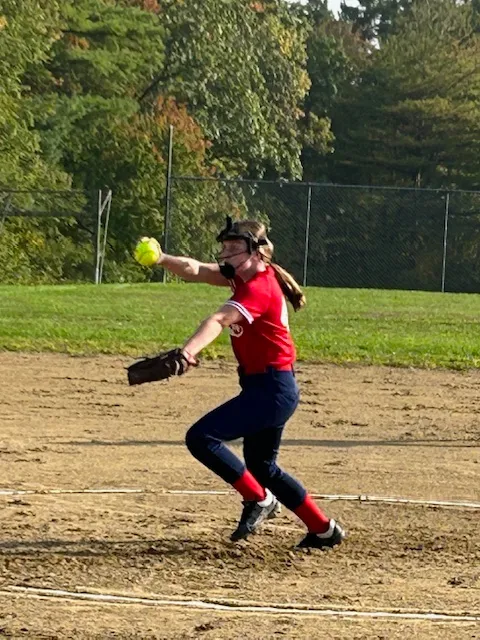
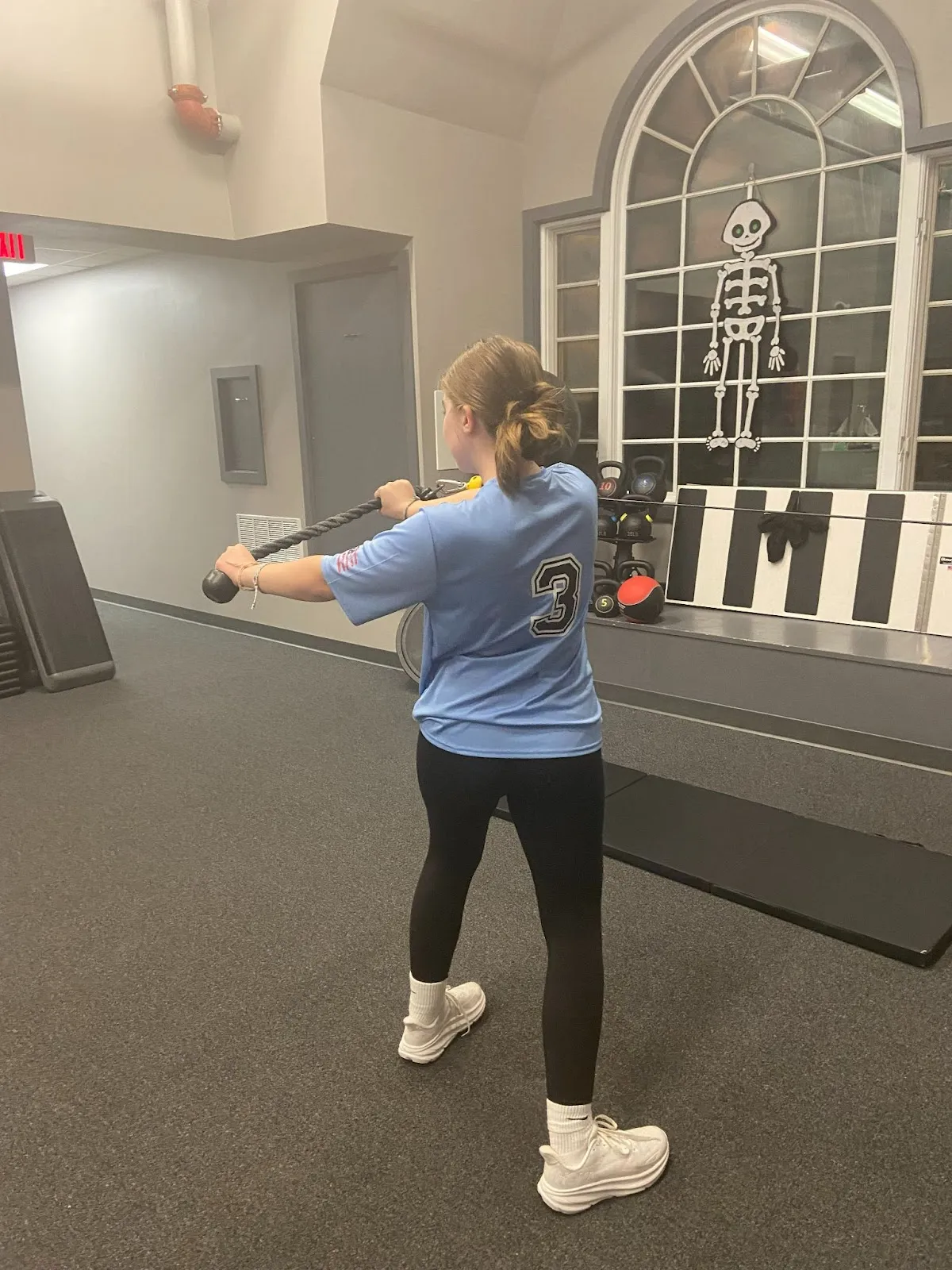
Back in the Swing of Things: Cat’s Comeback Story
When Cat T. began experiencing low back pain during softball practice, she had no idea it would lead to a diagnosis of a lumbar stress fracture and a bulging disc. As the pain worsened, her pediatrician referred her to physical therapy—something she wasn’t sure would make a big difference.
“Physical therapy has done a great deal in helping me get back to softball, as I have a fractured lower back and a bulging disc. Last December, I noticed that my back had been hurting a lot while I was in hitting practice. It progressively got worse, and it came to a point where we had to call the doctor.”
At Achieve PT, Cat worked with her therapist, Mary, who performed a full-body assessment and designed a personalized treatment plan. The team focused on modifying her swing mechanics to take pressure off her lower back and improve mobility, strength, and control in her hips, upper back, and core.
“My pediatrician prescribed physical therapy, which I had no idea would help to the extent it does. After we discovered that I had some serious back problems, I had to take a break from softball. Luckily, it was the off-season, so I could gain strength with PT and come back to softball pain-free.”
Cat worked hard during each session and felt truly supported by her care team.
“At PT, I feel welcomed and understood, as my physical therapist truly cares about the pain I experience, and wants to help me.”
Now, she’s back on the field and swinging without pain.
“Last weekend, I had my first softball tournament of the season, and the difference compared to over the summer was great– I wasn’t curling over in pain like I used to, and I hit much better than I had before.”
Stay tuned for more inspiring stories and helpful tips in our upcoming newsletters!
Dealing with A Sports Injury? Give Us a Call!
We know how frustrating it is to suffer an injury. But returning to training or games too quickly could permanently sideline you. Your best bet for a safe return is a well-structured rehabilitation plan with the team at Achieve Physical Therapy. Call us today to learn more about how we can help!