

What You Need to Know About ACL Injuries
ACL Injuries:
What They Are & How You Can Bounce Back Stronger
If you play soccer or basketball, chances are you’ve heard of someone who’s torn their ACL, whether a teammate or a pro athlete. These knee injuries are common among soccer and basketball players, but they can also be very serious. Fortunately, you can recover from an ACL injury with the right care. In many cases, that care might involve surgery and rehabilitation. However, if your injury wasn’t too severe, you might be able to recover with physical therapy alone. Either way, the team at Achieve is here to help you manage your injury, strengthen your knee, and return to your sport stronger than ever.
What Is an ACL Injury?
Your ACL (anterior cruciate ligament) is one of the four ligaments that help stabilize your knee. It keeps your shinbone from sliding too far forward and supports side-to-side motion. ACL injuries occur when the ligament is torn, which can happen during:
- Sudden stops
- Quick direction changes
- Awkward landings from a jump
- Collisions or direct blows to the knee
Soccer, Basketball, and ACL Tears
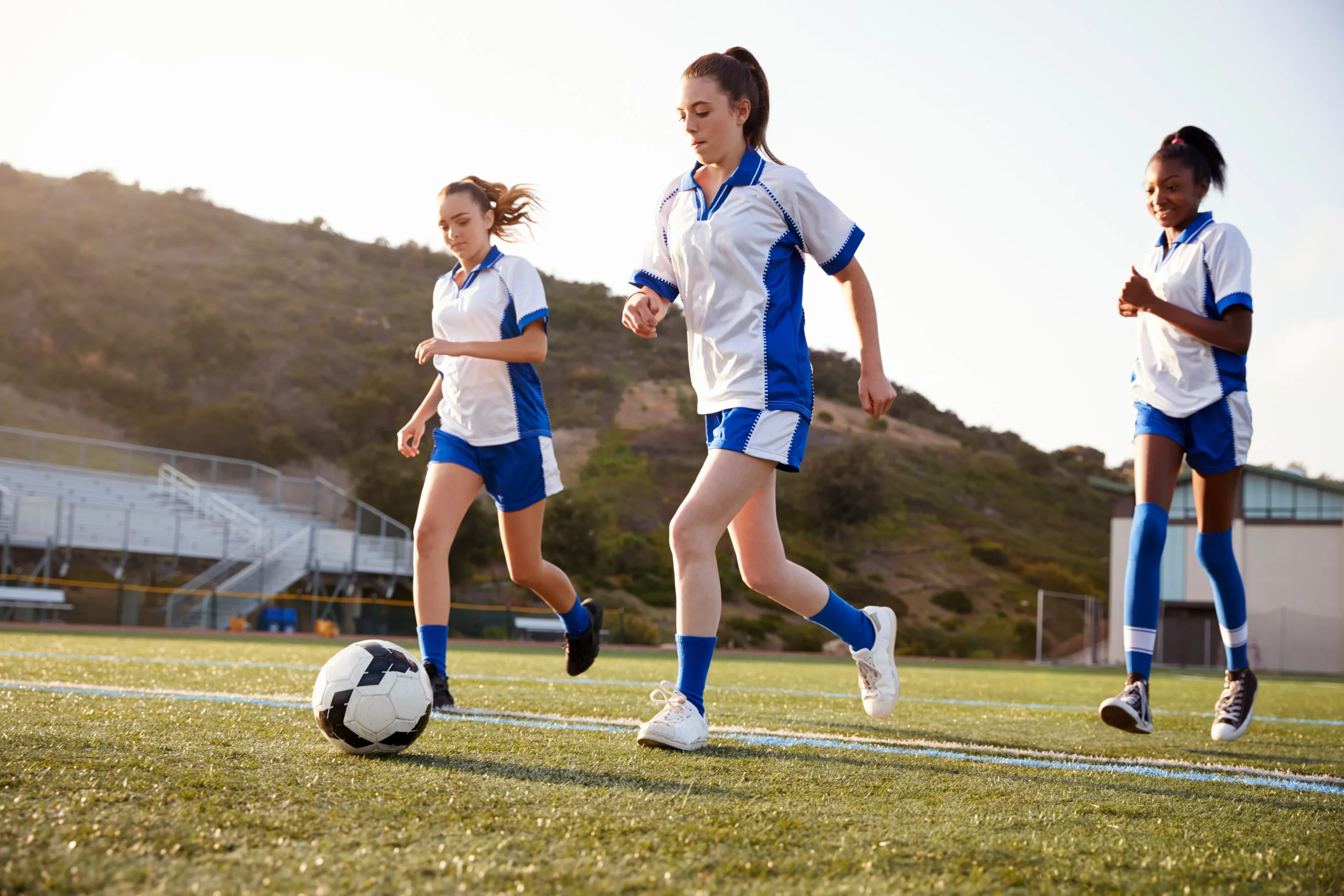
Movements that can lead to ACL tears are part of almost every soccer and basketball game. Soccer requires sudden changes in direction, pivoting, and quick footwork, while basketball includes explosive jumps, rapid stops, and sharp cuts. Without proper strength and control in the muscles around the knee, these movements can stress the ACL and increase the chance of injury.
Furthermore, this risk increases if you’re a female athlete due to differences in knee alignment, muscle strength, and landing mechanics.
For these reasons, it’s important to familiarize yourself with signs and symptoms so that you can take quick action on your recovery. Ignoring them or trying to “tough it out” can lead to further injury.
The Signs and Symptoms of an ACL Tear
- A popping sound or sensation at the time of injury
- Immediate swelling
- Intense knee pain
- A sense that your knee is “giving out”
- Trouble walking or putting weight on the leg
Back on Track: How Lisa Beat Back Pain and Found Relief Through PT
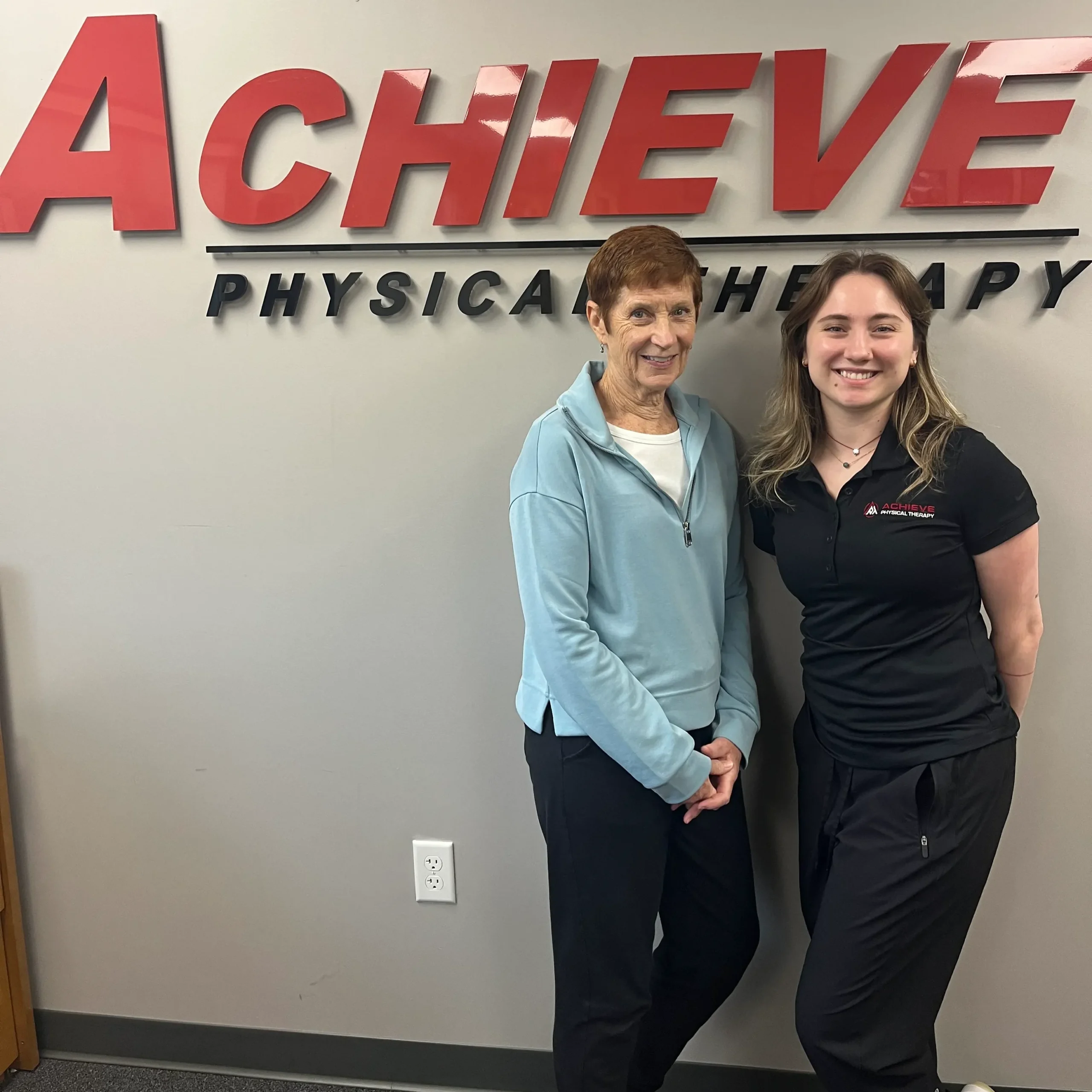
When Lisa D first walked through the doors of Achieve Physical Therapy, she was battling persistent low back pain and stiffness, something that even her trusted yoga and stretching routine couldn’t fix. After an X-ray revealed degenerative disc disease, Lisa turned to Achieve on the recommendation of a friend who had seen life-changing results through physical therapy.
Under the care of physical therapist Chloe S, Lisa began a personalized treatment plan that focused on more than just her lower back. Chloe’s thorough assessment uncovered significant spinal hypomobility and weakness in Lisa’s postural support muscles. Together, they worked to build core strength, improve upper back mobility, and boost postural endurance.
In just four weeks, Lisa’s back pain was completely resolved.
“I started seeing Chloe for Physical Therapy because of significant discomfort in my lower back,” Lisa shared. “She took the time to assess my situation and develop the perfect treatment plan. Not only is she incredibly knowledgeable, but one of her most outstanding qualities is that she truly makes PT fun. I’m now pain-free and so grateful for the experience.”
We’re proud of Lisa’s progress and thrilled to see her back to doing the things she loves, stronger and pain-free.
Stay tuned for more inspiring stories and helpful tips in our upcoming newsletters!
How Physical Therapy Helps with ACL Tears
Non-Surgical Treatment
Not every ACL injury needs surgery. Physical therapy alone may be enough if you only suffered a partial tear or aren’t returning to a pivot-heavy sport. We’ll develop a personalized program to:
- Reduce swelling and pain
- Restore normal movement
- Strengthen the muscles around the knee
- Improve balance and coordination
- Teach proper movement techniques so you can avoid future injury
Post-Surgical Rehabilitation
That said, many basketball or soccer players opt for ACL repair surgery, as it can allow them to safely return to their sport after their injury. It’s important to remember that surgery is only the first step. A guided physical therapy rehabilitation program is essential to prepare your body to return to the field or court.
Our comprehensive post-operative rehab typically includes:
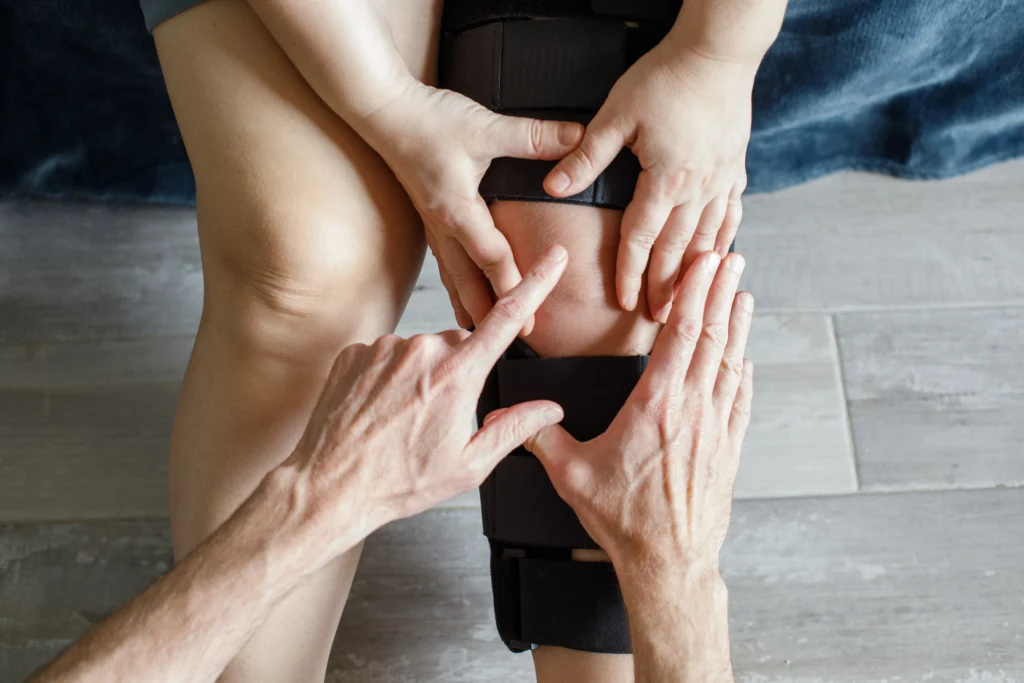
- Protection and pain management strategies, including bracing or crutches, manual therapy, and more
- Early range-of-motion work to reduce stiffness
- Gradual strengthening of the quadriceps, hamstrings, and glutes using resistance exercises, plyometrics, and other techniques
- Core stability and balance exercises
- Functional movement training to restore control
- Sport-specific drills to prepare for a safe return to competition
- A return-to-sport schedule to ensure you’re fully ready to get back in the game
Skipping or rushing this process puts you at risk for re-injury. A structured program can help you come back stronger and avoid future setbacks.

Say Hello to Stephani P, DPT!
Meet Stephani P—Physical Therapist, Clinic Director, and all-around superstar here at Achieve PT! Stephani earned her Doctorate of Physical Therapy from Springfield College and has worked in a variety of outpatient settings, specializing in sports medicine and pediatrics.
She’s passionate about helping her patients feel their best and is always learning new techniques to stay current with the latest evidence-based care. Whether she’s helping young athletes bounce back or guiding post-op patients through recovery, Stephani is all about personalized, one-on-one care that makes a difference.
Outside the clinic, Stephani keeps just as active—she’s into skiing, hiking, playing sports (especially soccer and tennis!), and hanging out with her friends, family, and her adorable Golden Retriever.
We’re lucky to have someone so dedicated, knowledgeable, and fun leading our team. Thanks for everything you do, Stephani!
Play Smarter: Preventing ACL Injuries
While you can’t always prevent an injury, you can reduce your risk–especially for ACL injuries. Our team can work with you to reduce your likelihood of an ACL injury with a personalized prevention program. Here are some of the techniques we might include:
- Neuromuscular training to improve body control
- Strengthening routines for the hips, legs, and core
- Drills to practice safe landings and pivots
How to Prevent Overheating During Summer Workouts
School may be out, but that doesn’t mean you’re taking a break from training! While it’s important to work out all year long, you also need to be mindful of the changes in weather. When the temperature climbs, so does your risk of overheating—putting your game (and your health) on the line.
Heat-related illnesses can happen fast, causing symptoms like:
- Dizziness or lightheadedness
- Muscle cramps
- Nausea or headache
- Hot, dry, or damp skin
If you suspect you’re overheating, stop what you’re doing and get to a cool place. However, your best bet is to avoid overheating entirely. With proper treatment and planning, you can stay cool, stay healthy, and stay in the game.
Five Tips to Avoid Overheating from the Achieve Team
- Hydrate often, not just when you’re thirsty. Sip water throughout the day. Add electrolyte drinks during long workout sessions or after heavy sweating.
- Schedule workouts during the coolest part of the day. Cooler times of day reduce stress on your body, so avoid peak heat hours (usually 10 AM to 4 PM).
- Take regular rest breaks. During hot weather, you need more frequent breaks. Set a timer for breaks every 15–20 minutes, and use the time to hydrate and cool off.
- Wear lightweight, breathable gear. Choose moisture-wicking fabrics, and avoid dark clothing that traps heat.
- Gradually build heat tolerance. Don’t jump straight into high-intensity drills during hot weather. Your body needs time to adjust to high temps. Start slow and progress from there.
Want some additional tips? Contact Achieve Physical Therapy to learn more about building a summer training program that works for you.
Pain In Your Knee? Don’t Wait to Get Checked
Whether you need help recovering after an ACL tear or want to stay injury-free, physical therapy is a smart move for serious athletes. And remember that early intervention makes a big difference in outcomes, so the sooner you can get started, the better off you’ll be.
If your knee feels unstable or painful, or if you think you’ve injured your ACL, make an appointment with Achieve Physical Therapy right away. Early intervention makes a big difference in outcomes, and our team is here to help you get off the sidelines and back in the game.