


Having Surgery? Bounce Back Faster With Pre- and Post-Rehab
Having Surgery? Bounce Back Faster
With Pre- and Post-Rehab
If you’re scheduled for an orthopedic surgery (such as a total joint replacement or an ACL repair), you probably already know you’ll need to undergo rehabilitation afterward with a physical therapist. But have you considered working with a PT before your surgery, too? Pre-rehabilitation, sometimes called “prehab,” is a little less common than rehab, but it’s still an important part of the surgical process. Together, a structured pre- and post-surgical physical therapy program can help you maximize the benefits of your surgery. We offer pre- and post-rehab here at Achieve Physical Therapy, and today, we want to explore both programs in detail. And if you’d like more personalized guidance, just contact our clinic to speak to our friendly staff!

What You Need to Know About Pre-Op Physical Therapy
Surgery can be incredibly tough on the human body. It’s a highly invasive procedure that brings with it a host of complications, such as blood clots, post-surgical pain, and more.
Standard rehabilitation works to minimize these risks after the fact. However, prehab takes a proactive approach, allowing you to improve strength, fitness, and pain levels before you have your procedure.
Think of it this way: No athlete goes into a big game unprepared. They spend time training to ensure their strength, endurance, and performance are the best they can possibly be. Prehab is the same way–you’re preparing your body for the “big game” of surgery.
What Are Some Benefits of Prehab?
- Improves strength and mobility, making surgery and recovery easier
- Reduces pain and swelling before surgery
- May help shorten hospital stays and overall recovery times
- Decreases the risk of complications
- Helps you understand what to expect after surgery, reducing anxiety
What Can I Expect During Prehab?
- A detailed overview of what you can expect after your surgery, including training on mobility aids and rehab exercises
- An initial evaluation in which one of our physical therapists assesses your strength, range of motion, balance, and pain level
- Various pain management techniques, including manual therapy, ice/heat, or electrical stimulation, to help reduce discomfort
- A therapeutic exercise program consisting of specific exercises to target weak or stiff areas, improve circulation, and support surrounding joints
- Personalized endurance training consisting of low-impact cardiovascular activities to increase overall stamina
What You Need to Know About Post-Op Rehabilitation
Most orthopedic surgeries aim to correct whatever dysfunction is causing pain (for example, replacing an arthritic joint with a prosthesis). The results can be life-changing, but they don’t occur overnight. It takes time to restore your body to its optimal strength, mobility, and function.
That’s what post-surgical rehabilitation focuses on. A structured physical therapy program helps you recover from the surgery itself and work to get back to the activities that matter most to you.
What Are Some Benefits of Rehab?
- Reduces pain and inflammation
- Improves range of motion and overall mobility
- Strengthens muscles and improves overall function
- Helps you regain independence and return to your daily activities
- Lowers the risk of long-term complications, such as chronic pain
What Can I Expect During Rehab?
- Functional training that helps you relearn everyday movements like standing, walking, or climbing stairs
- Techniques to help manage acute pain and swelling, such as ice, compression, manual therapy, and assisted stretches
- Guided mobility work to help restore movement in the affected joint or area without stressing healing tissues
- Scar tissue management using hands-on therapy or tools to reduce the risk of long-term pain or stiffness
- Targeted, progressive strengthening exercises to rebuild muscle at an appropriate pace
- Balance or gait training to help restore stability in surgeries that affect your movement patterns
Going Into Surgery? Achieve Physical Therapy Is Here to Help!
If you have surgery scheduled, now’s the time to contact our clinic and learn more about how our pre- and post-op rehabilitation programs can help you make the most of your procedure. Remember, your recovery starts before you ever head into the operating room. Schedule an appointment with us today to get started.

Making Waves In and Out of the Clinic: Meet Liz K!
When it comes to helping patients get back on their feet—whether it’s chasing after grandkids, returning to the gym, or conquering everyday tasks—Elizabeth “Liz” K brings energy, empathy, and expertise to every session.
Liz earned her Doctorate of Physical Therapy from Franklin Pierce University in 2020, and since then, she’s been making a big impact in outpatient orthopedics. Her goal? Helping every patient understand their body, reach their goals, and embrace a healthy, active lifestyle. She also brings experience from the inpatient world, having worked with individuals recovering from strokes, traumatic brain injuries, and limb loss. Outside the clinic, Liz lives life to the fullest. In the summer, you’ll find her volunteering with AmpSurf, helping individuals with disabilities catch waves and build confidence on the water. She also stays active with hiking, snowboarding, aerial silks (yes, like the Cirque du Soleil kind!), and traveling. And when it’s time to slow down? A good book and time with loved ones do the trick.
A fun fact about Liz—she grew up bilingual in Russian and is also conversational in Spanish. Whether she’s guiding a patient through rehab or hanging ten on the surfboard, Liz brings heart, humor, and a passion for movement to everything she does. We’re lucky to have her on Team Achieve!

Mental and Emotional Preparation for Surgery
Calming The Mind, Easing The Journey
Even when it’s planned and necessary, surgery can trigger a range of emotions. Anxiety, fear, and uncertainty are common companions on the path to the operating room. Acknowledging and addressing the mental and emotional aspects of surgery can significantly impact your overall experience and recovery.
The Emotional Landscape Of Surgery
It’s perfectly normal to feel anxious about the unknowns of surgery. Concerns about the procedure itself, potential complications, pain management, and the impact on daily life are valid. It’s essential to recognize and accept these feelings rather than suppress them. Pre-hab appointments with our physical therapist can provide a safe space to express your concerns and gain reassurance.
Several techniques can help calm your mind and foster emotional resilience before surgery:
- Addressing Fears and Concerns: By openly discussing patients’ anxieties and concerns, physical therapists can help alleviate fears and misconceptions.
- Setting Realistic Expectations: Providing realistic expectations about recovery timelines and potential challenges can help patients manage their emotions.
- Pain Management Strategies: Our PTs can provide strategies for managing pain during and after surgery, reducing anxiety about the recovery process.
- Trust and Rapport: A strong therapeutic relationship can provide patients with a sense of support and understanding, helping them feel more comfortable and less anxious.
- Emotional Support: We can offer emotional support and encouragement, helping patients cope with the psychological challenges of surgery.
- Education: Gathering reliable information about the procedure, recovery process, and pain management options can alleviate anxiety and empower you to make informed decisions.
The Power of a Prepared Mind
Addressing mental and emotional well-being before surgery can yield numerous benefits:
- Reduced Anxiety and Stress: Calming techniques can lower stress levels, promoting a more relaxed state before, during, and after surgery.
- Faster Recovery: A prepared and positive mindset and reduced stress can contribute to a smoother and faster recovery process.
- Enhanced Coping Skills: Developing emotional resilience and setting expectations can equip you with valuable tools to navigate challenges that may arise during recovery.
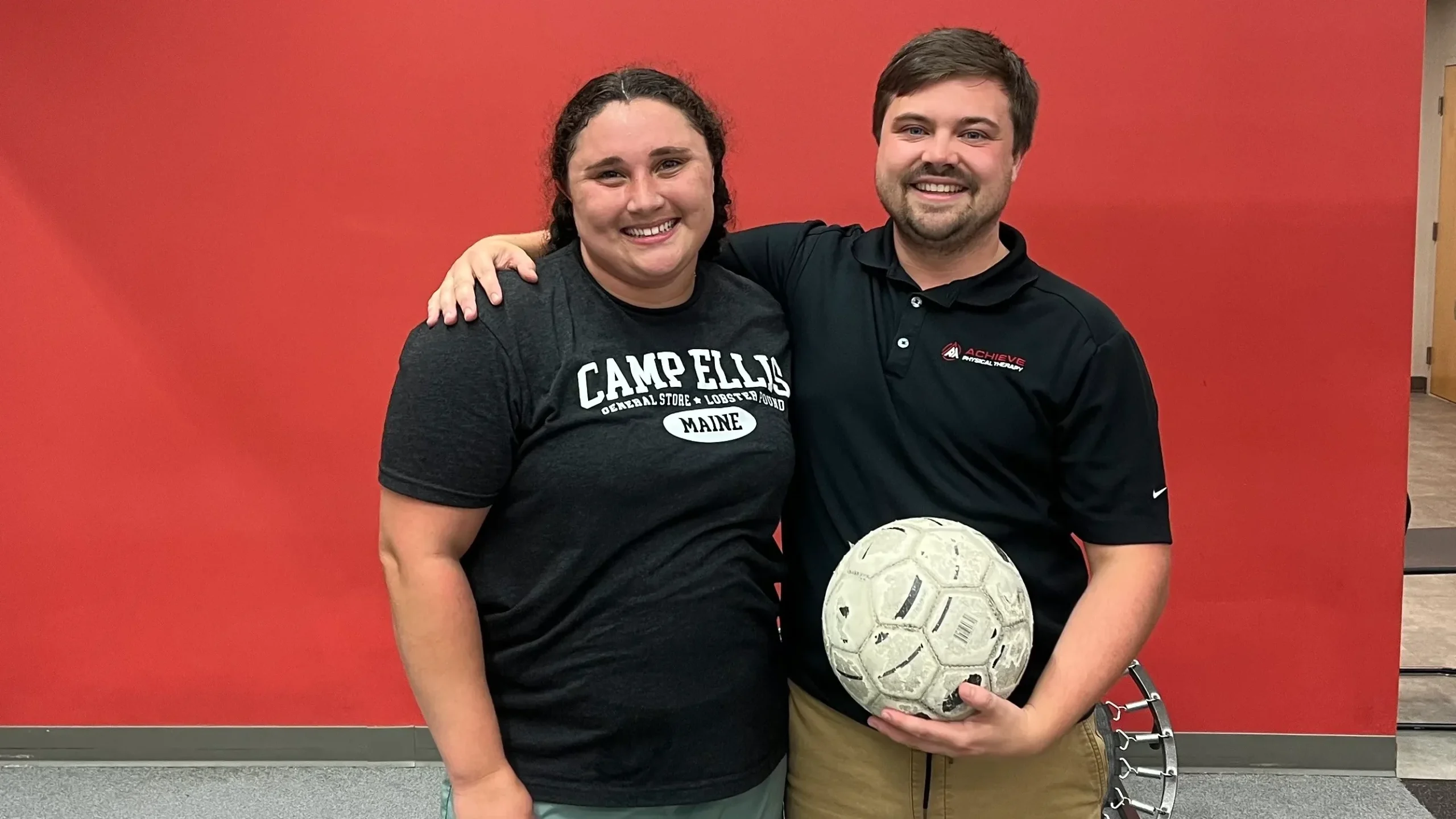
From Sidelines to Line Dancing: Maesy’s Recovery Journey
Meet Maesy T, who embarked on a remarkable journey to recovery following a left ACL tear earlier this year while playing soccer. Under the expert guidance of Ian Nannig, Maesy diligently prepared for surgery with a month of pre-op therapy, focusing on maintaining mobility and strength. Ian ensured Maesy was well-informed about the post-operative process and set realistic recovery expectations.
Now, at 4 months post-op, Maesy’s progress has been exceptional. Thanks to their swift recovery in mobility and strength, therapy sessions have transitioned to sport-specific activities and return-to-run drills, making full use of our outdoor facilities—soccer balls occasionally wander off course into the woods!
“I’m thrilled to be back line dancing and running, with soccer on the horizon,” Maesy shares enthusiastically. “Ian has been an incredible motivator, making PT sessions not just effective but fun!”
Maesy’s dedication and positive attitude are truly inspiring. We’re excited to see them continue achieving milestones in their recovery journey.
Stay tuned for more inspiring stories and helpful tips in our upcoming newsletters!
Contact Us
Contact us today and start prioritizing mental preparation alongside physical readiness so you can approach surgery with greater confidence.