

Maximize Safety and Enjoyment on the Slopes
Maximize Safety and Enjoyment on the Slopes
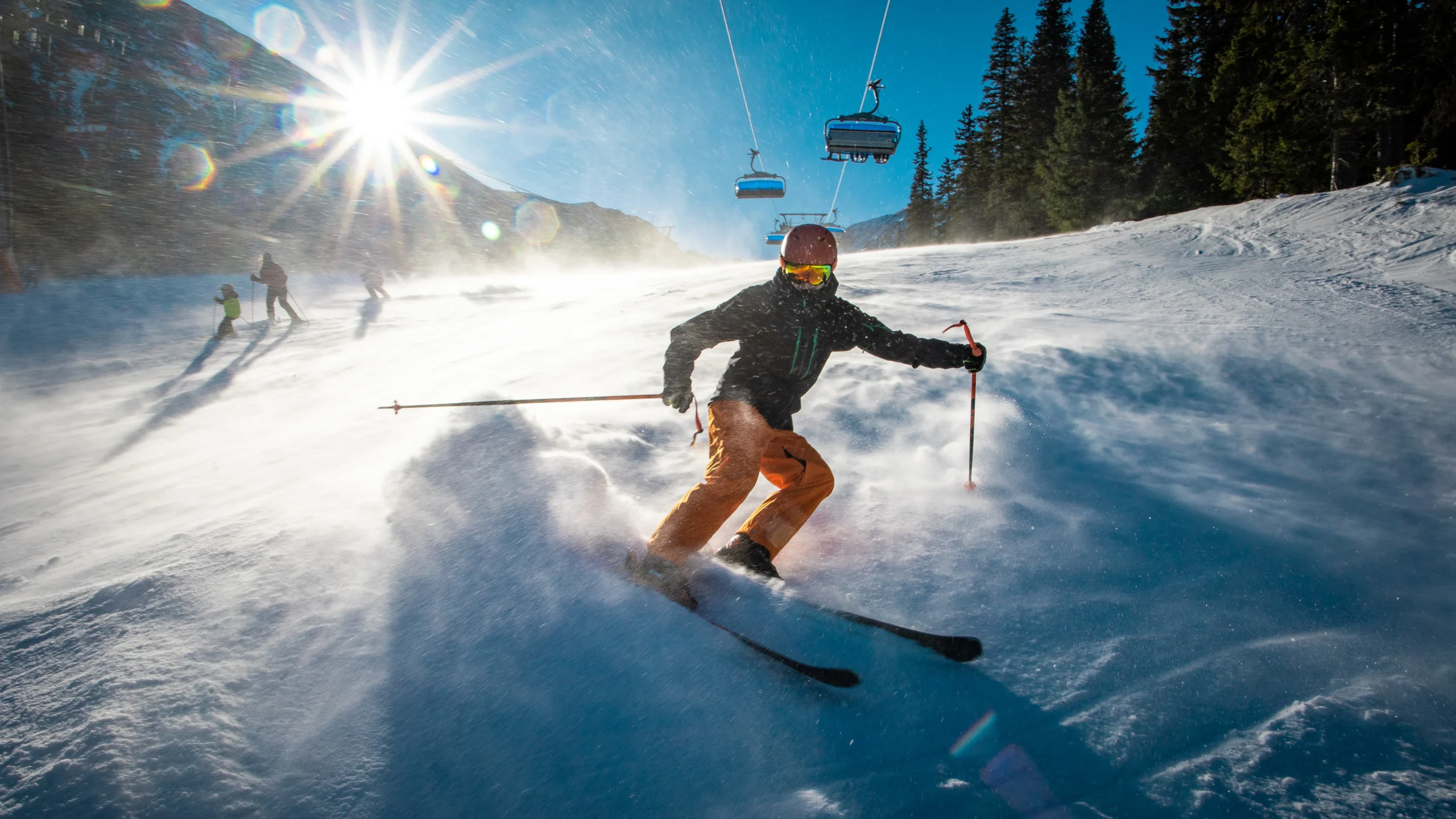
Skiing and snowboarding are some of the best ways to stay active during the cold winter months. Both activities are fun and social, and they also keep your heart and muscles strong. However, they can put a lot of stress on your body. Low temperatures, uneven terrain, and high speeds can all contribute to an increased risk of strains, sprains, and falls. That’s why it’s important to condition your body before you ever hit the slopes–which is where the team at Achieve Physical Therapy LLC comes in.
Five Steps to a More Enjoyable Skiing Season
Step 1: Build a Strong Foundation
Before you head out to the ski lodge, it’s essential to make sure your body has the strength, mobility, and endurance to handle the demands of skiing and snowboarding. Our team can help you develop a customized exercise program that focuses on the key muscle groups used in these sports:
- Core muscles, which stabilize your spine and improve balance.
- Quadriceps, glutes, and hamstrings, which absorb shock during turns and landings.
- Ankles and feet, which help with control and reaction time
Step 2: Don’t Forget Mobility Work
Stretching and mobility exercises are vital before and after time on the mountain, as restricted muscles limit control and raise the risk of muscle pulls. This is especially important given the cold weather. We recommend:
- Dynamic warm-ups, such as walking lunges or light squats, before you hit the trail to activate the muscles you’ll use most
- Post-activity stretching helps reduce soreness
If you’re really struggling with mobility, our team offers several both hands-on and instrument-assisted manual therapy techniques to help improve range of motion, decrease stiffness, and keep your joints moving freely.
Step 3: Improve Balance and Coordination
Falls are a common source of injury in winter sports, but you can work to avoid them with dedicated balance and coordination training. Our team will work with you to improve your response time and quickly stabilize under shifting loads–key skills in both skiing and snowboarding.
We might suggest:
- Balance board or single-leg exercises to train ankle and hip control
- Gait and movement analysis to help identify weaknesses or asymmetries that could lead to imbalance
- Sport-specific training to help you build the skills you need to boost your performance on the mountainside
Step 4: Enhance Your Movement
Good movement patterns protect your body from strain and help you move efficiently on the slopes. Improving how your muscles, joints, and bones work together reduces the stress on vulnerable areas like the knees, hips, and back.
Our team can perform a comprehensive movement assessment that evaluates how you bend, squat, and rotate to identify compensations or weak links. Even small imbalances can affect control and power when skiing or snowboarding!
We’ll then guide you through techniques like:
- Body alignment training to help minimize knee twisting, shoulder strain, and back tension
- Dynamic control drills to train your muscles to respond quickly and smoothly
- Neuromuscular re-education to improve the connection between your brain and muscles, improving coordination and balance for quick reactions on uneven terrain
Step 5: Make the Most Of Your Recovery
What you do after you’ve been on the slopes all day also plays a role in having a great skiing and snowboarding season! Proper recovery keeps you ready for the next run while preventing nagging injuries from overuse.
We can help you find the best recovery strategies for your needs, such as:
- Strategies related to hydration, nutrition, and rest to help keep your body strong and resilient
- Active recovery, like walking, light stretching, or cycling, to flush out built-up lactic acid, improve circulation, and reduce stiffness
- Cold and compression therapy to calm inflammation, decrease swelling, and reduce discomfort after intense sessions
Get Ready for a Great Season
Whether you’re preparing for your first ski trip or training for advanced slopes, Achieve Physical Therapy LLC can help you move better, recover faster, and avoid injuries. You’ll receive one-on-one care from the same licensed therapist each visit, ensuring consistent attention and clear progress. From strengthening programs to sport-specific rehab, our goal is to help you feel strong and confident all winter long. Schedule an appointment today to get started.
Winter Warm-Up Routines to Prevent Cold-Weather Injuries
Did you know that cold weather doesn’t just make exercise uncomfortable–it can also increase your risk of injuries like strains or sprains? The low temperatures can tighten your muscles and connective tissue, reducing your mobility and slowing reaction time.
When you’re active in the winter, it’s crucial that you spend 10-15 minutes warming up your body before you begin. That’s not just for sports, either. A warm-up is essential even if you’re just going to shovel snow.
Warm-Up Recommendations from the Achieve Physical Therapy LLC Team
- Start with Light Cardio: Cardio helps raise your core temperature, so kick things off with a brisk walk for 2-3 minutes.
- Activate Major Muscle Groups: Next, wake up your muscles with dynamic exercises like leg swings, bodyweight squats, or arm circles.
- Don’t Skip the Core: Your core muscles form the foundation of all your movements, so make sure they get some warm-up time, too. Try rotating lunges.
- Add Activity-Specific Motions: A good warmup should mimic whatever movements you’ll be performing. For example, if you’re going skiing, incorporate some lateral hops. If you’re clearing snow, perform torso rotations while holding your shovel or a broom.
- Stretch Smartly: You should only perform dynamic stretches during your warmup, not static holds. Save those for when you’re done and back inside by the fire!

Schedule An Appointment to Learn More
The team at Achieve Physical Therapy LLC is always available to create individualized warm-up and conditioning plans to match your body’s needs and winter activities. Give us a call today to schedule a detailed movement assessment and learn more ways to avoid injury this winter.
How to Maintain Mobility & Strength in the Off-Season
The holidays are almost here, and that means many of the athletes in our community will be taking some time off. While downtime is essential to help your body recover and reset, you don’t want to take it too far. Doing so can lead to losing muscle strength, mobility, and endurance.
Your best bet is to stay active, just at a lower intensity. This helps ensure your body is ready for the next season while avoiding the risk of overtraining. Let’s explore some tips from the Achieve Physical Therapy LLC team on keeping your body moving during the holidays.
Three Ways to Keep Your Body Strong This Winter
Focus on Movement Quality
The off-season is a great time to clean up technique. Practice controlled squats, lunges, and push-ups to reinforce form and joint stability. Balance drills, such as single-leg stands or step-downs, can help build coordination and control.
Build Strength with Bodyweight and Bands
You don’t need heavy weights to stay strong. Try resistance band exercises for the hips and shoulders, and include body-weight core work like planks, side bridges, and mountain climbers. Aim for three short sessions per week to maintain muscle tone and stability.
Find Other Ways to Stay Active
Winter break is a great time to try out other activities you don’t normally have time to enjoy. If you like the cold, try hiking, skiing, or ice skating. Want to stay warm? Sign up for an indoor cycling class or broaden your horizons with dance lessons. No matter what you choose, you’ll keep your endurance up without stressing your joints.
Call Us For Extra Help
Achieve Physical Therapy LLC is here to help athletes design safe off-season routines that build strength, mobility, and control. Schedule an appointment today to learn more.

Staff Spotlight
Matthew S
PT, DPT, Staff Physical Therapist
Matthew studied at The University of Connecticut, where he earned his bachelor’s degree in exercise science, and doctorate degree in physical therapy. He enjoys working with a wide variety of patients, but particularly likes treating low back pain and golf-related injuries.
He has a particular interest in sarcopenia and pain neuroscience, and aims to help patients of all kinds navigate difficult hurdles to achieve their rehabilitation goals.
Around The Clinic
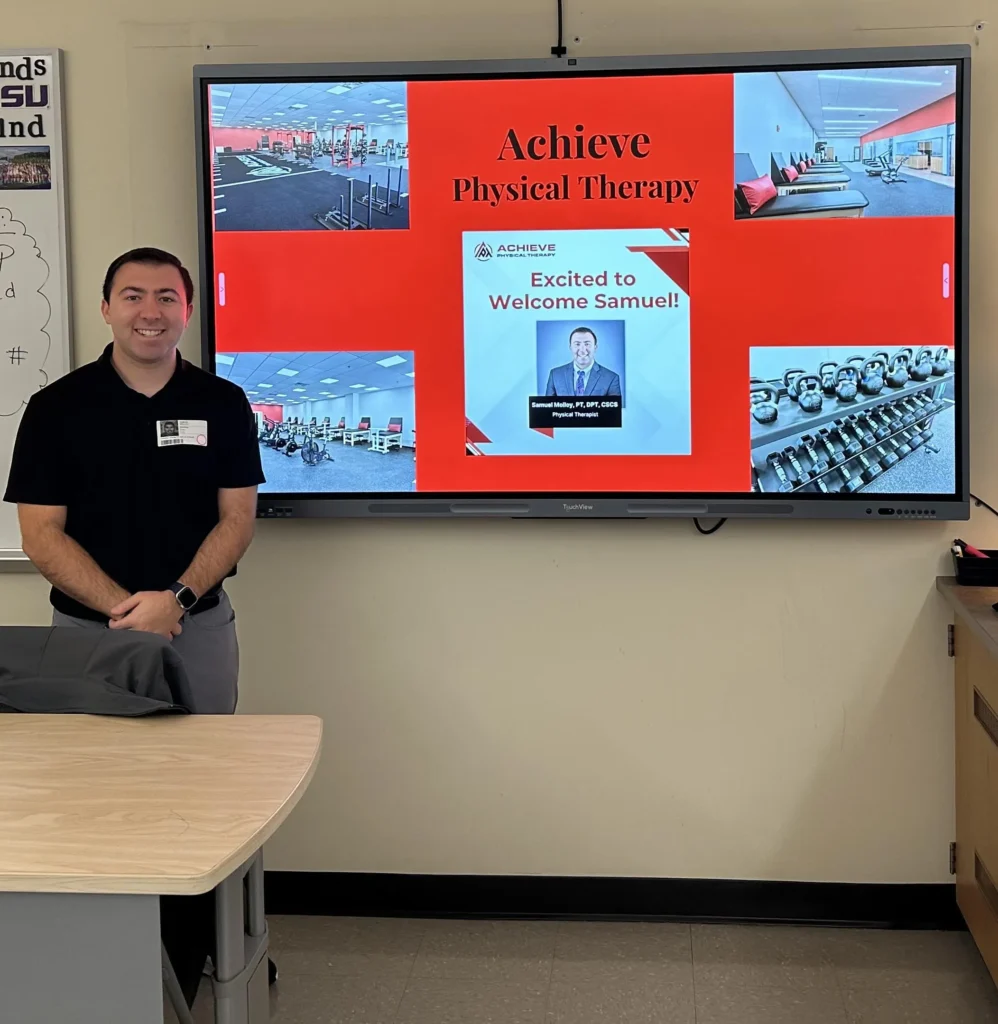
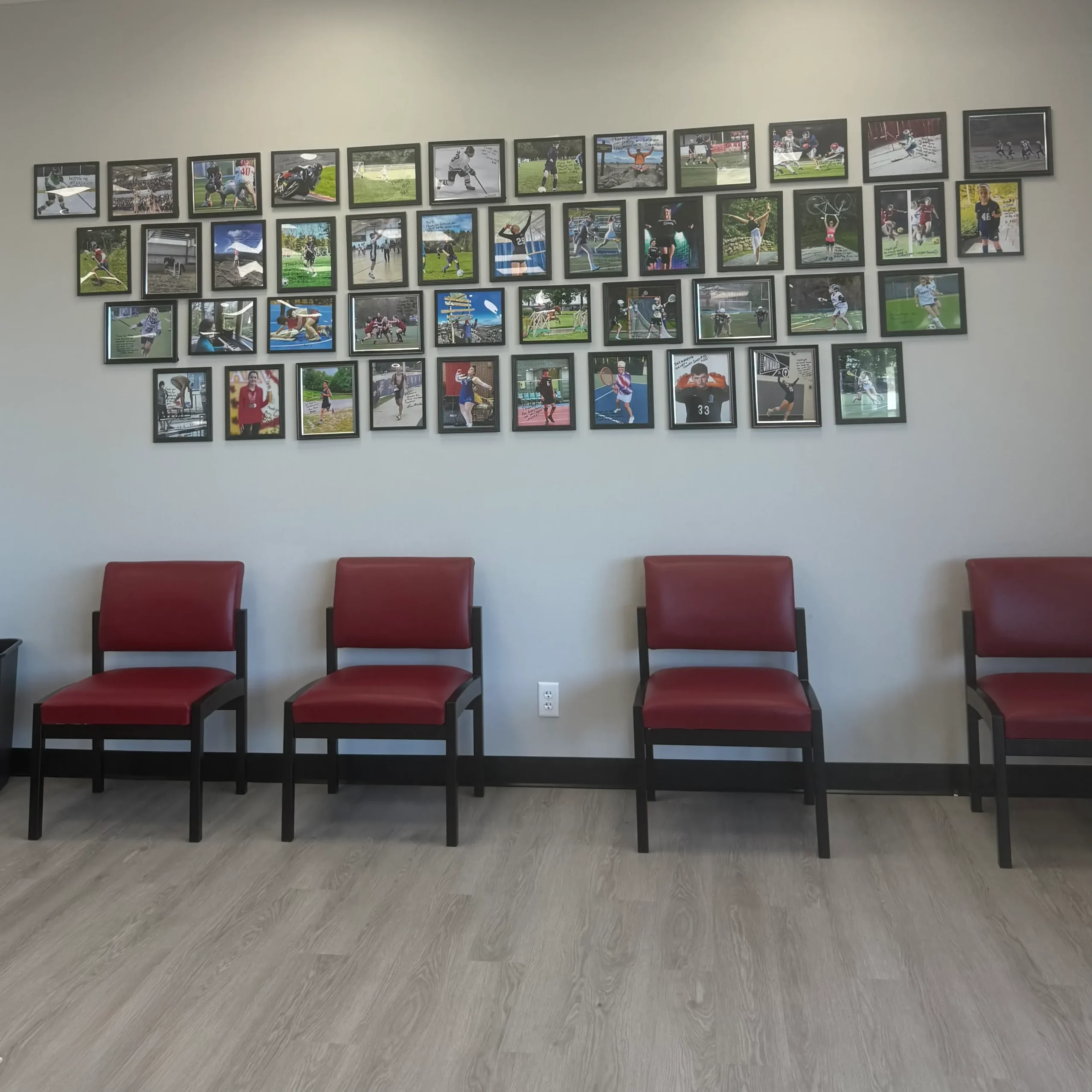
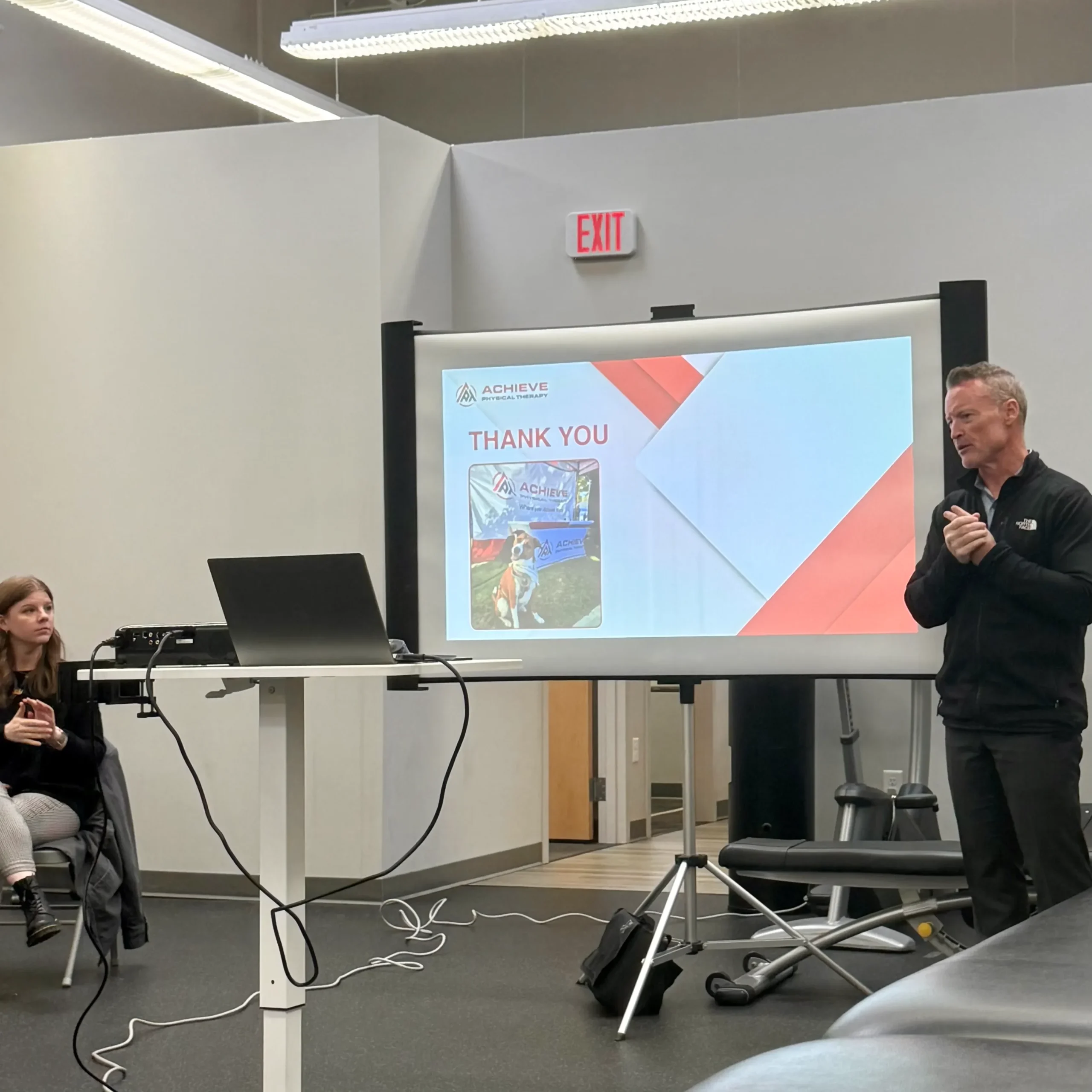


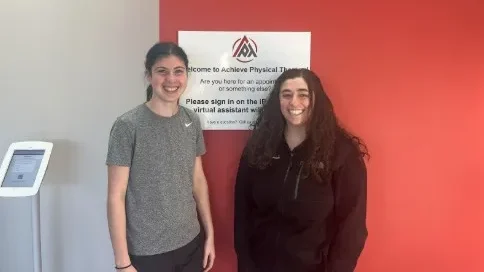
Patient Spotlight of the Month: Hannah H
This month, we’re excited to highlight Hannah H, who came to Achieve Physical Therapy with low back pain after a fall while playing basketball. Her injury made everyday activities difficult, including bending forward, sitting through long school days, and participating in sports.
Working with her therapist, Emily B, Hannah focused on improving flexibility, hip and spinal mobility, trunk stability, and overall strength. After a summer of consistent work, she returned to the field for her field hockey season and is now looking forward to the upcoming basketball season.
Hannah shared her experience:
“I enjoy physical therapy because it has helped with my injury and even though I feel tired after exercising, it’s always a good kind of tired. I always look forward to going and all of the therapists clearly love what they do, which makes the experience even better.”
Great job, Hannah. We are so proud of your progress!
Stay tuned for more inspiring stories and helpful tips in our upcoming newsletters!
Contact Us
Contact us today and start prioritizing mental preparation alongside physical readiness so you can approach surgery with greater confidence.
Follow Us On Social Media!
Sources
- https://www.researchgate.net/profile/Vennapu-Rao/publication/373719033_Impact_of_weather_on_sports_and_sport_injuries/links/64f99b3f4c72a2514e5b79b3/Impact-of-weather-on-sports-and-sport-injuries.pdf
- https://journals.lww.com/jbjsjopa/abstract/2024/12000/mechanisms_and_prevention_strategies_of_anterior.1.aspx