
Start Strong: Improving Movement and Function in the New Year
Start Strong:
Improving Movement and Function in the New Year
With the fresh energy of the new year comes a flurry of physical activity. People find the motivation to become more consistent with movement and exercise and make the effort to spend more time engaging in their favorite activities. However, at Achieve Physical Therapy LLC, we’ve found that many of our patients start the year feeling stiff, limited, or uncomfortable during movement, making it harder to keep those New Year’s resolutions. These challenges are often linked to movement imbalances.
Fortunately, our skilled physical therapists can help you restore balanced movement so your body works the way it’s meant to, helping you have a happy and active 2026.
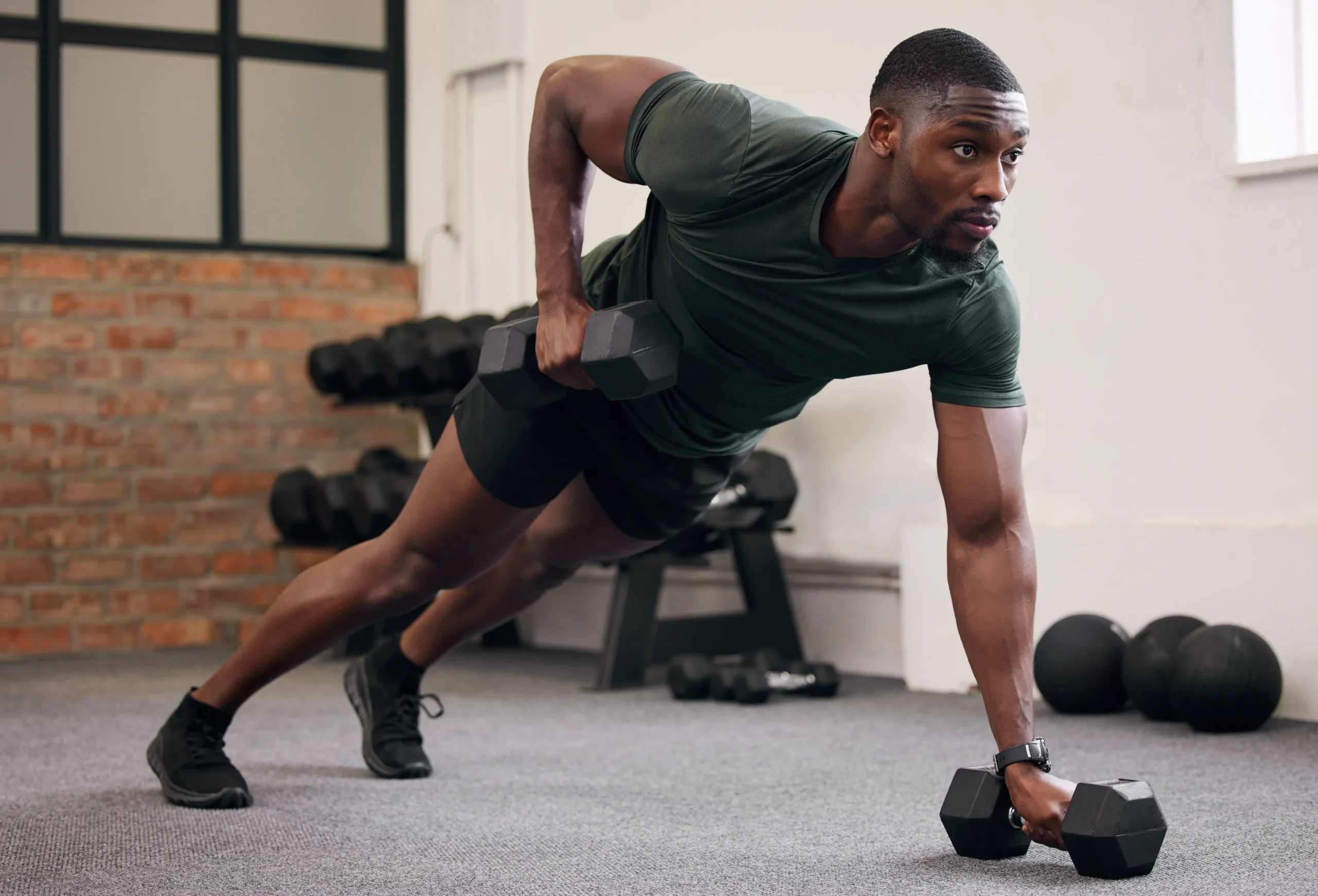
Why Good Movement Patterns Matter
Movement imbalances occur when one part of the body works harder than it should because another area is weak, restricted, or poorly coordinated. These imbalances may seem insignificant at first, but over time, the resulting compensations can have a profound impact. Eventually, the muscles that should share the workload stop doing their job, leaving other muscles to pick up the slack until they can’t keep up.
Some of the movement challenges we see at our clinic include:
- Tight hips that limit walking, squatting, or standing from a chair
- Weak core muscles that affect posture and spinal support
- Stiff shoulders that make lifting or reaching overhead uncomfortable
- Reduced ankle motion that changes how you walk or run
- One side of the body working harder than the other
How Physical Therapy Helps Restore Better Movement
Our team offers comprehensive treatment plans to help address movement challenges that may be holding you back. We focus on helping the body relearn efficient, comfortable movement with hands-on, individualized care.
Some of the techniques we might suggest include:
Manual Therapy
These hands-on and instrument-assisted techniques help reduce stiffness and improve the mobility of muscles and joints. They help tissues to relax and move more freely, which supports smoother motion during everyday activities.
Mobility Training
In addition to hands-on care, we’ll guide you through mobility work and stretching exercises to help the body move through comfortable, functional ranges.
Targeted Strengthening
We’ll focus on specific muscles that support key movements, so you can perform day-to-day tasks and handle higher-intensity workouts. Examples include:
-Glute strengthening for hip and lower-back stability
-Core training to improve posture and reduce spine strain
-Shoulder and mid-back exercises to enhance lifting and overhead activity
Neuromuscular Re-Education
This approach focuses on training your body to move with better timing and control. We’ll guide you through exercises that help your brain and muscles communicate more effectively, making your movements smoother and safer.
Neuromuscular re-education is particularly beneficial after previous injuries or extended periods of inactivity.
Balance and Control Exercises
Improving balance and body awareness supports steadier movement and better control during daily tasks and exercise.
How to Know If You Might Need to Address a Movement Imbalance
If you’re experiencing any of the following movement challenges, schedule an appointment with our physical therapists. We’ll help you identify the root of your challenges and develop a personalized treatment plan to help you move with greater ease.
Common Movement Challenges
- Difficulty bending, lifting, or twisting
- Feeling stiff after sitting or sleeping
- Uneven movement from side to side
- Fatigue during normal activities
- Limited range of motion in joints
- Discomfort with exercise or sports
Benefits of Working With Our Team
- Easier movement throughout the day
- Improved posture and body awareness
- Greater confidence with activity
- Increased strength and control
- Better tolerance for exercise and recreation
Set Yourself Up for a Strong, Healthy Year with Achieve Physical Therapy LLC
The beginning of the year is a great time to reset habits and focus on how your body feels when it moves. If stiffness, imbalance, or movement limitations are holding you back, contact Achieve Physical Therapy LLC today. We’ll work to help you get moving more efficiently so you can enjoy greater comfort and long-term success in your favorite physical activities.
How Improving Flexibility and Mobility Boosts Athletic Performance
Most athletes who want to improve their overall performance focus on enhancing their strength and endurance. While these areas are certainly important, the emphasis on them often means muscle flexibility and joint mobility receive far less attention–even though they also play a crucial role in how your body performs.
Understanding the Role of Mobility and Flexibility
People often use the terms mobility and flexibility interchangeably, but they do mean two different things. Flexibility refers to how far a muscle can stretch. Mobility refers to how well a joint moves through its full range. However, both influence speed, power, and control.
When muscles tighten or joints lose their range of motion, the body begins to compensate. These compensations put stress on other areas, reduce efficiency, and limit athletic output. Improving flexibility and mobility can help you move with better rhythm and smoother mechanics.
Some of the benefits include:
- Longer muscle length, which helps generate more force
- Better body positioning during jumps, sprints, or lifts
- Increased stability through the hips, shoulders, and spine
- Lower risk of strains and overuse injuries
- More efficient movement patterns over longer training sessions
Effective Ways to Improve Flexibility & Mobility
Our team offers several proven strategies to address these areas so you can move more efficiently. Your plan might include:
- Hands-on manual therapy treatments that relax tight muscles and improve joint glide
- Targeted stretching routines that lengthen specific muscle groups
- Neuromuscular re-education drills that retrain coordination and support better movement control.
- Information about the best dynamic warmups to prepare the body for sport.
Schedule An Appointment to Learn More
Ready to get started? Schedule an appointment with the team at Achieve Physical Therapy LLC to discover how enhancing your flexibility and joint mobility can improve your athletic performance.
MAKE THIS YEAR YOUR HEALTHIEST ONE YET!

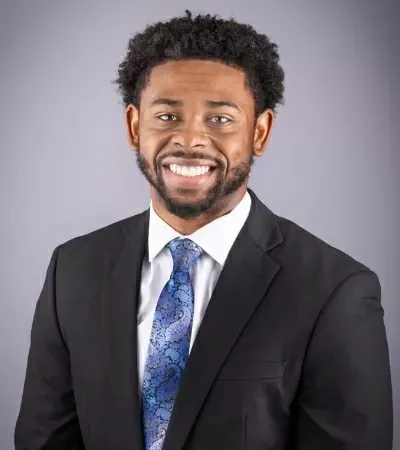
Staff Spotlight
Benlee D.
PT, DPT
We are excited to spotlight Benlee D., PT, DPT, a Staff Physical Therapist here at Achieve Physical Therapy. Benlee earned his Doctorate of Physical Therapy in 2025 from Franklin Pierce University, following his Bachelor of Science degree in Exercise and Health Science from the University of Massachusetts Boston in 2020. He brings valuable clinical experience from both outpatient and inpatient settings, working with patients of all ages and backgrounds. Benlee is passionate about helping patients reach their goals and return to the activities they love. His patient-focused approach and dedication make him a great asset to the team. Outside of the clinic, Benlee enjoys watching sports, especially basketball and football, going to the gym, traveling, and spending time with friends and family.
Patient Spotlight: Alaina’s Comeback Story
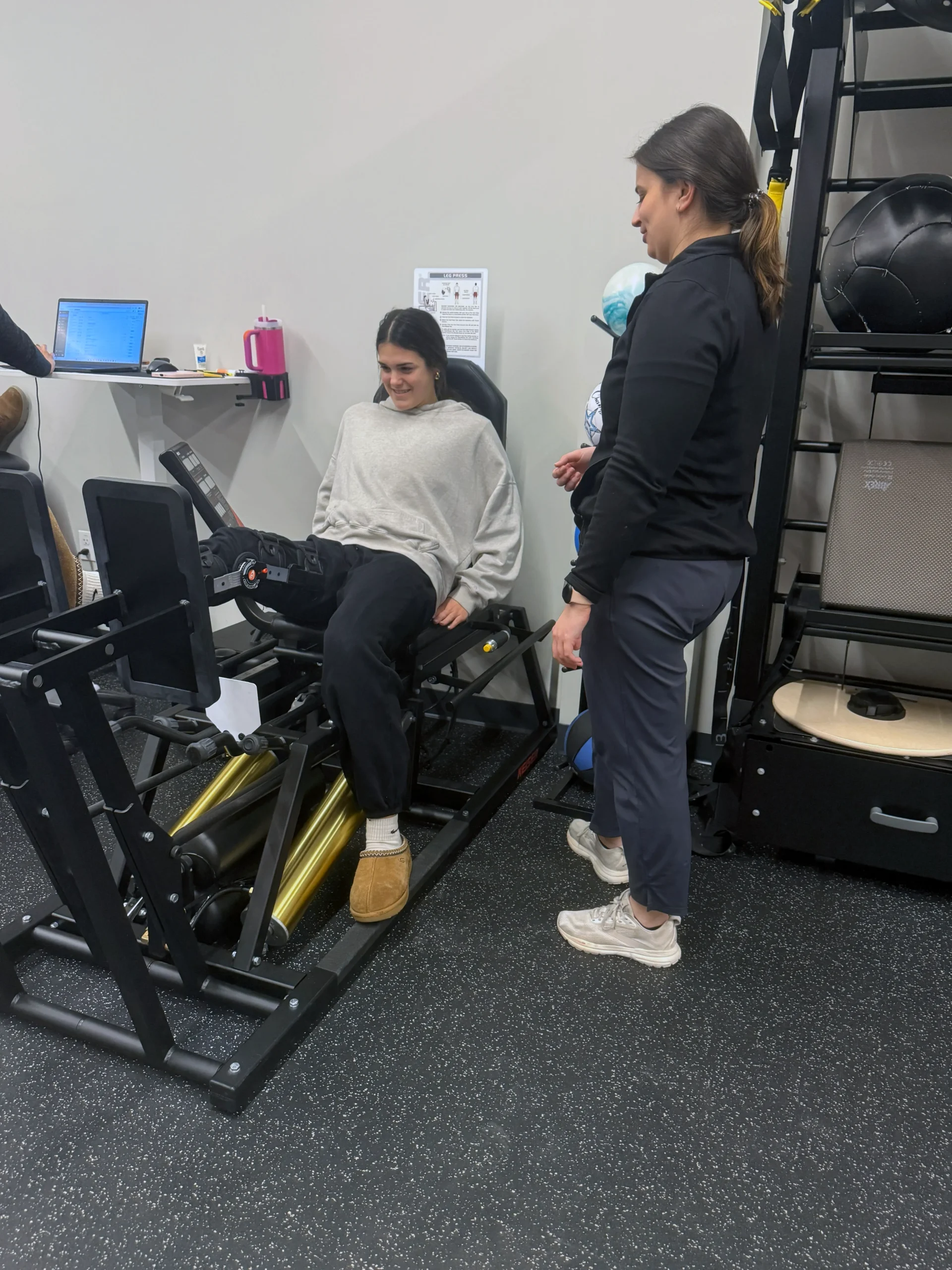
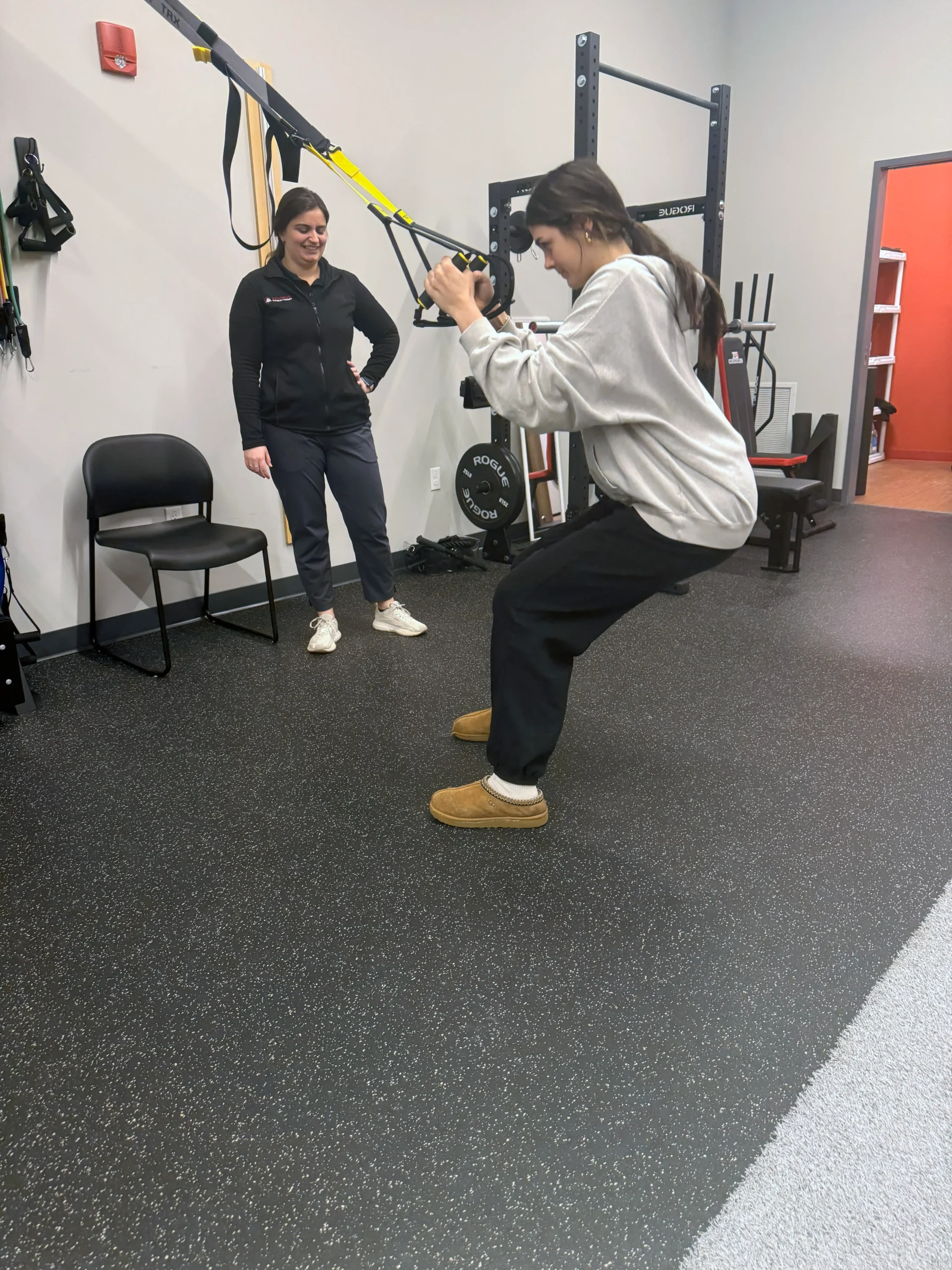
Alaina first came to Achieve Physical Therapy in the early fall with persistent right knee pain that was limiting her ability to stay active. After a thorough evaluation, it was discovered that she had a meniscus tear. Before moving forward with surgery, Alaina committed to a course of pre-surgical physical therapy, also known as “pre-hab,” to build strength and prepare her knee for the road ahead.
That dedication paid off. Following her surgery in November, Alaina entered post-surgical rehab already ahead of schedule. At this stage of her recovery, she is working closely with her physical therapist, Lyndsey, to rebuild quad strength and improve control so she can safely transition away from her crutches and brace.
Thanks to the hard work she put in before surgery and her continued commitment to rehab, Alaina is progressing better than expected at this point in her recovery timeline. Her ultimate goal is to return to the sports she loves most, including soccer, basketball, and softball, and she is well on her way.
We are proud of Alaina’s dedication and determination, and love being part of her journey back to the field and court.
Stay tuned for more inspiring stories and helpful tips in our upcoming newsletters!
Contact Us
Contact us today and start prioritizing mental preparation alongside physical readiness so you can approach surgery with greater confidence.