

Sudbury Newsletter
Why Start With Outpatient Physical Therapy In Sudbury?
Before more medication. Before more procedures. Start with movement.
Pain impacts every part of your life:
- It affects how you sleep.
- How you move.
- How you perform at work.
- How confident you feel in your own body.
When muscles, joints, tendons, ligaments, or nerves aren’t functioning properly, the consequences can be frustrating and limiting. Outpatient physical therapy in Sudbury provides a conservative, evidence-based approach that targets the root cause of your pain—helping you regain function before considering more invasive treatments.
What physical therapy focuses on:
- Pinpointing the source of your discomfort
- Restoring proper movement patterns
- Rebuilding strength, stability, and mobility
- Reducing pain with active, clinically proven strategies
- Supporting your return to everyday activities with confidence
This approach isn’t about temporarily masking symptoms—it’s about correcting the underlying issues to help you move, feel, and live better.
Start Strong: Physical Therapy for Musculoskeletal Health
For many orthopedic and musculoskeletal concerns, physical therapy is often the smartest first step toward recovery and long-term health.
If you’re experiencing:
- Back or neck pain
- Shoulder, knee, or hip limitations
- Weakness after surgery
- Recurrent injuries
Talk with your physician about whether physical therapy might be right for you.
Why start with PT? Beginning with physical therapy can:
- Help determine if advanced imaging is truly needed
- Improve pain and function without surgery
- Speed up recovery after procedures
Physical therapy works alongside your physician—not as a replacement—giving your care team better insight and often leading to improved outcomes.
Treating the Whole Movement System
Effective outpatient physical therapy looks beyond the immediate area of pain. Because our bodies are connected:
- Knee issues may originate at the hip
- Shoulder problems can be influenced by spinal mobility
- Back pain can result from movement patterns or stability deficits
By addressing the entire movement system, therapy promotes lasting recovery rather than short-term relief, helping you get back to the activities that matter most.
Reach Out Today to Get Started
Start your recovery with a smarter approach. Schedule your outpatient physical therapy evaluation in Sudbury today and take the first step toward lasting relief.
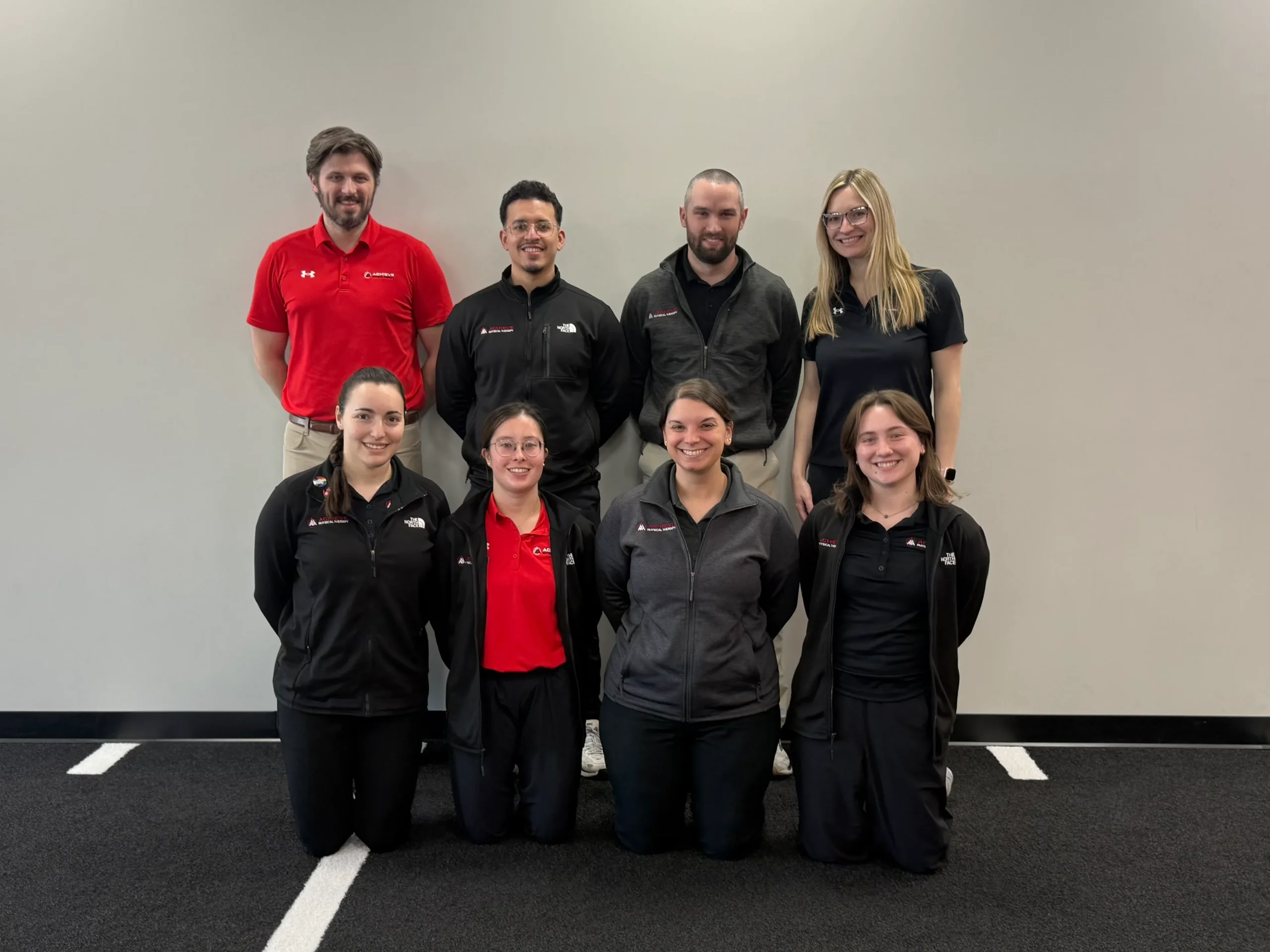
Meet Caleb, Physical Therapist at Our Sudbury Clinic
Caleb’s journey into physical therapy was shaped by both personal experience and a desire to help others stay active. While coaching swimming, he witnessed firsthand how frustrating recurring injuries can be—not just physically, but mentally—for those eager to stay in the water. At the same time, helping care for his grandparents gave him a deeper appreciation for the role healthcare providers play in supporting families through challenging moments. Those experiences inspired him to pursue a career where he could make a meaningful, everyday impact.
Caleb loves helping “weekend warriors”—people who balance busy lives but still prioritize movement, fitness, and staying active. While he once imagined working exclusively with competitive athletes, he quickly realized that anyone carving out time for their health deserves the same dedication. For Caleb, the most rewarding moments are when patients leave feeling confident that, if and when their next injury happens, they’ll have the tools and support to handle it safely.
Being part of the Sudbury clinic and community has made Caleb’s work especially fulfilling. He describes the clinic as having a warm, family-like atmosphere where both patients and clinicians can thrive. Caleb also values the culture at Achieve, which he first experienced as a student and now enjoys as a clinician. Each clinic has its own personality, yet all are grounded in shared values and purpose—creating an environment where every day is both rewarding and enjoyable. “From the moment I arrived,” he says, “the community has been incredibly welcoming, and I want to return that generosity through thoughtful, high-quality care.”
Outside of work, Caleb treasures time with his kids and enjoys exploring the trees and trails of New England, appreciating the natural beauty that surrounds his practice. He especially loves the fall season, which feels extra special after moving north from the South. Despite a background in swimming, he admits he’s not particularly athletic—especially when it comes to ball sports—and enjoys keeping life lighthearted.
We’re grateful to have Caleb as part of our Sudbury team and appreciate the thoughtful, patient-centered care he brings to every session.

What our Patients Say About Caleb
“Caleb is a skilled and resourceful practitioner who listens carefully and comes up with thoughtful and creative solutions to promote healing.” -Sue B.
Pain Returning? Here’s How to Respond
Experiencing a flare-up, new injury, or returning discomfort months or years after therapy is more common than you might think. Early attention can make all the difference.
If you notice:
- A new injury or setback
- Increased pain or stiffness
- Reduced strength or range of motion
- Trouble returning to work or daily activities
Reach out to your physician or physical therapist. Prompt evaluation can clarify the best next step and often speeds recovery.
Starting with conservative, movement-focused care can prevent symptoms from worsening. Physical therapy may help you:
- Regain mobility
- Rebuild strength
- Reduce pain
- Improve day-to-day function
- Safely return to sports or activity
You always have the choice of where to receive care. Even if a clinic is recommended, select the location that works best for you. If you’ve been a patient before, we’d be glad to help you again. Contact us to get started.
Tell Us About Your Experience
Your Voice Helps Others Make Confident Decisions
When patients search for a physical therapy provider, they often look for:
- Clinical expertise
- Compassionate care
- Positive outcomes
- Trusted community reputation
If you have received care at Achieve Physical Therapy, your review helps other patients feel confident in their decision.
If you’re willing, please consider:
- Leaving a Google review
- Following us on social media
- Sharing your experience with a friend or family member
Your story may be the reason someone seeks care sooner and recovers faster.
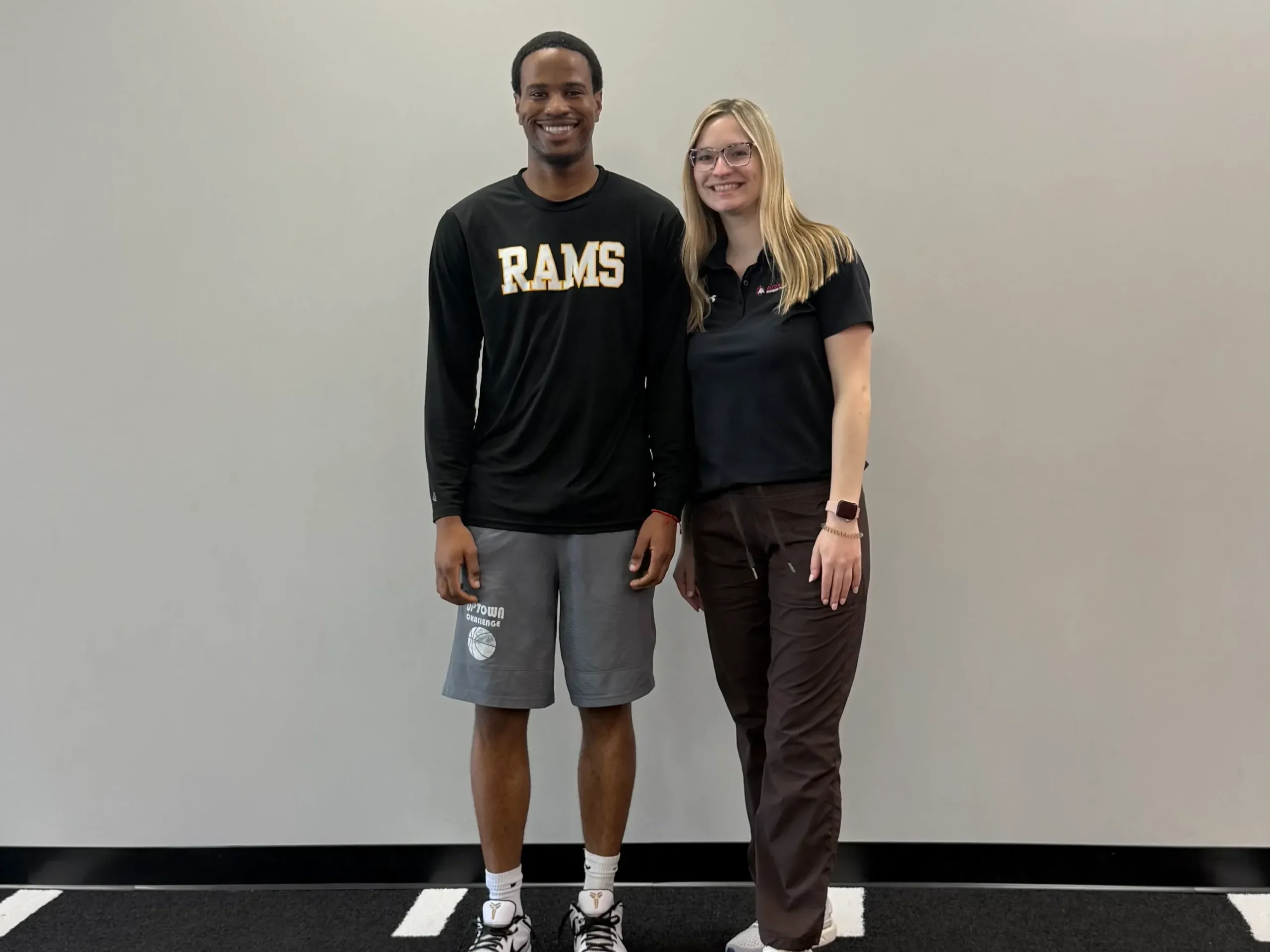
Patient Spotlight: Davon
Davon’s Road Back to the Court
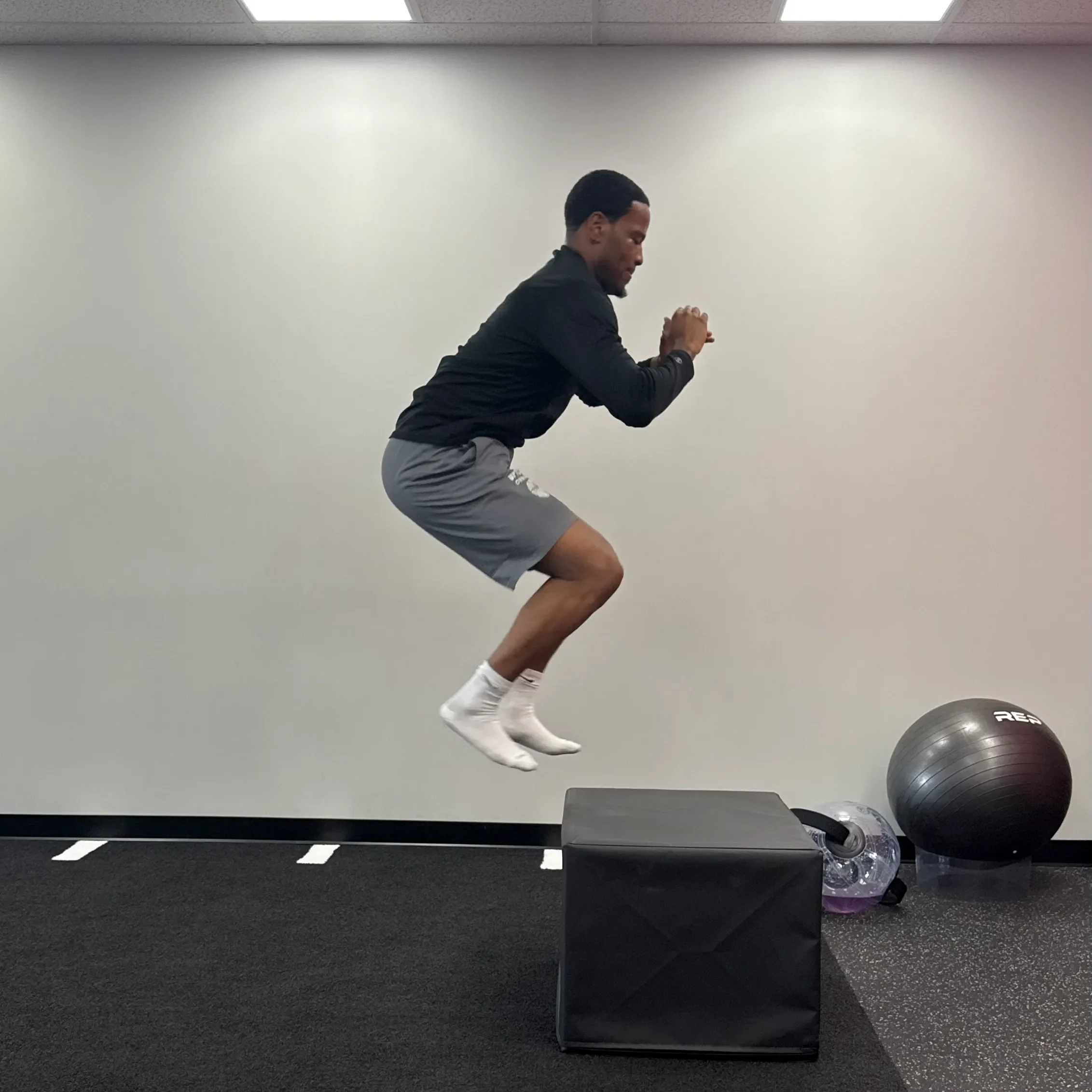
When Davon injured his knee during a basketball game, he knew he was facing a long road ahead. After hyperextending his knee, he committed to physical therapy both before and after undergoing ACL reconstruction, determined to return to the sport he loves at Framingham State.
Now three months post-op, Davon has been working closely with Hailie and the Achieve Physical Therapy team to rebuild his strength, stability, and confidence. His goals are clear: get back to basketball, reduce his risk of reinjury, and come back even stronger than before.
His rehab journey has focused on:
- Single-leg stability to improve balance and control
- Quad strengthening following his quad graft surgery
- Gradual return-to-running progression
- Introducing jumping and higher-level movements as he progresses
Through a combination of sports-specific rehabilitation, therapeutic exercise, and guided return-to-sport programming, Davon is making steady progress toward stepping back on the court.
Davon’s story is a great example of how the right plan, consistency, and expert guidance can help athletes not just recover but come back stronger and more resilient.
We are proud to be part of his journey and cannot wait to see him back in action.
Your comeback starts here.
Stay tuned for more inspiring stories and helpful tips in our upcoming newsletters!
Stay Connected
Loved your experience at Achieve Physical Therapy? A simple follow, like, or share helps more people in our community find trusted care when they need it.
Follow us and stay connected: