

Hudson Newsletter
Why Start With Outpatient Physical Therapy In Hudson?
Before more medication. Before more procedures. Start with movement.
Pain can affect nearly every part of your daily life:
- It affects how you sleep
- How you move
- How you perform at work
- How confident you feel in your own body
When muscles, joints, tendons, ligaments, or nerves aren’t functioning properly, the consequences can be frustrating and limiting. Outpatient physical therapy in Hudson provides a conservative, evidence-based approach designed to address the underlying cause of symptoms —helping you regain function before considering more invasive treatments.
What physical therapy focuses on:
- Pinpointing the source of your pain or discomfort
- Restoring proper movement patterns
- Rebuilding strength, stability, and mobility
- Reducing pain with active, clinically proven strategies
- Helping you return to daily life with greater confidence
This approach isn’t about temporarily masking symptoms—it’s about correcting the underlying issues to help you move, feel, and live better.
Musculoskeletal Pain? Start with Physical Therapy
For many orthopedic and musculoskeletal issues, physical therapy is often one of the most effective first steps toward recovery and long-term health.
If you’re experiencing:
- Back or neck pain
- Shoulder, knee, or hip limitations
- Weakness after surgery
- Recurrent injuries
It may be worth discussing physical therapy with your physician.
Why start with PT? Beginning care with physical therapy can:
- Help determine if advanced imaging is truly needed
- Improve pain and function without surgery
- Speed up recovery after procedures
Physical therapy works alongside your physician to guide next steps and improve outcomes as part of a broader care plan.
Treating the Whole Movement System
Effective outpatient physical therapy looks beyond the immediate area of pain. Because our bodies are connected:
- Knee issues may originate at the hip
- Shoulder problems can be influenced by spinal mobility
- Back pain can result from movement patterns or stability deficits
By addressing the entire movement system, therapy promotes lasting recovery rather than short-term relief, helping you get back to the activities that matter most.
Reach Out Today to Get Started
Start your recovery with a smarter approach. Schedule your outpatient physical therapy evaluation in Sudbury today and take the first step toward lasting relief.
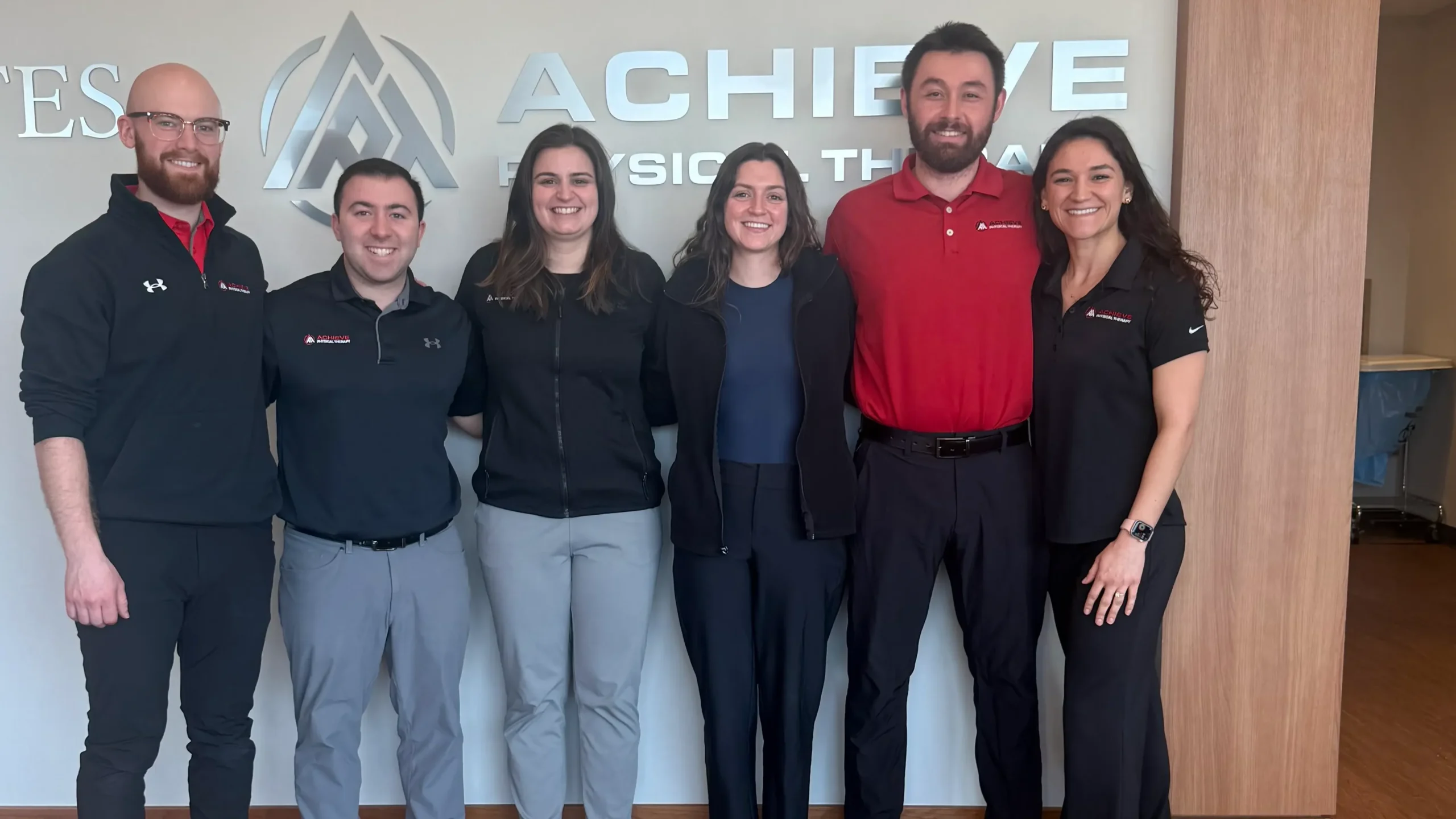
Meet Stephanie, Clinic Director at Our Hudson Clinic
Stephanie has always been interested in movement and exercise, and growing up with parents who are both chiropractors introduced her early to the healthcare field. Combined with her own passion for staying active, this led her to pursue physical therapy.
She has been practicing for five years and has experience in home care, skilled nursing facilities, and outpatient orthopedics. While each setting has contributed to her growth as a clinician, outpatient orthopedics is where she has developed her strongest interest. She enjoys helping patients improve strength and function and return to the activities they enjoy.
Steph finds the most rewarding part of her role is being part of her patients’ journey from start to finish. She especially enjoys working with middle to older adults and guiding them as they progress toward their goals and return to meaningful activity.
At the Hudson clinic, Steph values the team environment and the range of clinicians working together. She notes that the team’s varied backgrounds and interests allow them to care for a wide variety of patients, from pediatrics to active adults and individuals focused on strength and conditioning. She also appreciates the relationships formed both within the team and with patients, and the welcoming atmosphere created in the clinic.
Outside of work, Steph enjoys yoga, lifting, and reading. She considers herself a winter sports person, though summer is her favorite season.
We are grateful to have Steph for leading the Hudson team and appreciate the care and consistency she brings to her patients.

What Our Patients Say About Steph
“The absolute best experience with Stephanie. All staff are very friendly, knowledgeable therapists. Stephanie was very, very helpful, knowledgeable and supportive throughout my sessions. She helped me so much with my strength and mobility on my right shoulder replacement which I have been going through PT for a while!! Stephanie is very kind, friendly and very attentive to my needs. The encouragement she gave me from day one was the best I have had in a while. I would not go to another place. I cannot say enough how she got me to where I can be comfortable and decrease pain!!! Till we meet again Steph!!! Thank you so much. Definitely a 5 star but I’d bring it to 10!!!“ -Debra
When Pain Comes Back: What to Do Next
It’s not unusual for pain or discomfort to come back months or even years after physical therapy—especially after a new strain, flare-up, or injury. The important thing is paying attention early, since that often leads to a quicker recovery.
If you notice any of the following:
- A new injury or setback
- Increasing pain, stiffness, or tightness
- Loss of strength or range of motion
- Difficulty returning to work, exercise, or daily activities
It’s a good idea to check in with your physician or physical therapist. An early evaluation can help identify what’s going on and guide the next best step forward. In many cases, starting with conservative, movement-based care can help prevent symptoms from getting worse. Physical therapy may support you in:
- Restoring mobility
- Rebuilding strength
- Reducing pain
- Improving day-to-day function
- Returning safely to activity or sport
And remember—you always have the choice of where to receive care. If you’ve been seen by us before, we’re always happy to help you get back on track. Just reach out to get started.
Tell Us About Your Experience
Your Voice Helps Others Make Confident Decisions
When patients search for a physical therapy provider, they often look for:
- Clinical expertise
- Compassionate care
- Positive outcomes
- Trusted community reputation
If you have received care at Achieve Physical Therapy, your review helps other patients feel confident in their decision.
If you’re willing, please consider:
- Leaving a Google review
- Following us on social media
- Sharing your experience with a friend or family member
Your story may be the reason someone seeks care sooner and recovers faster.
Patient Spotlight
Boston’s Road to Recovery
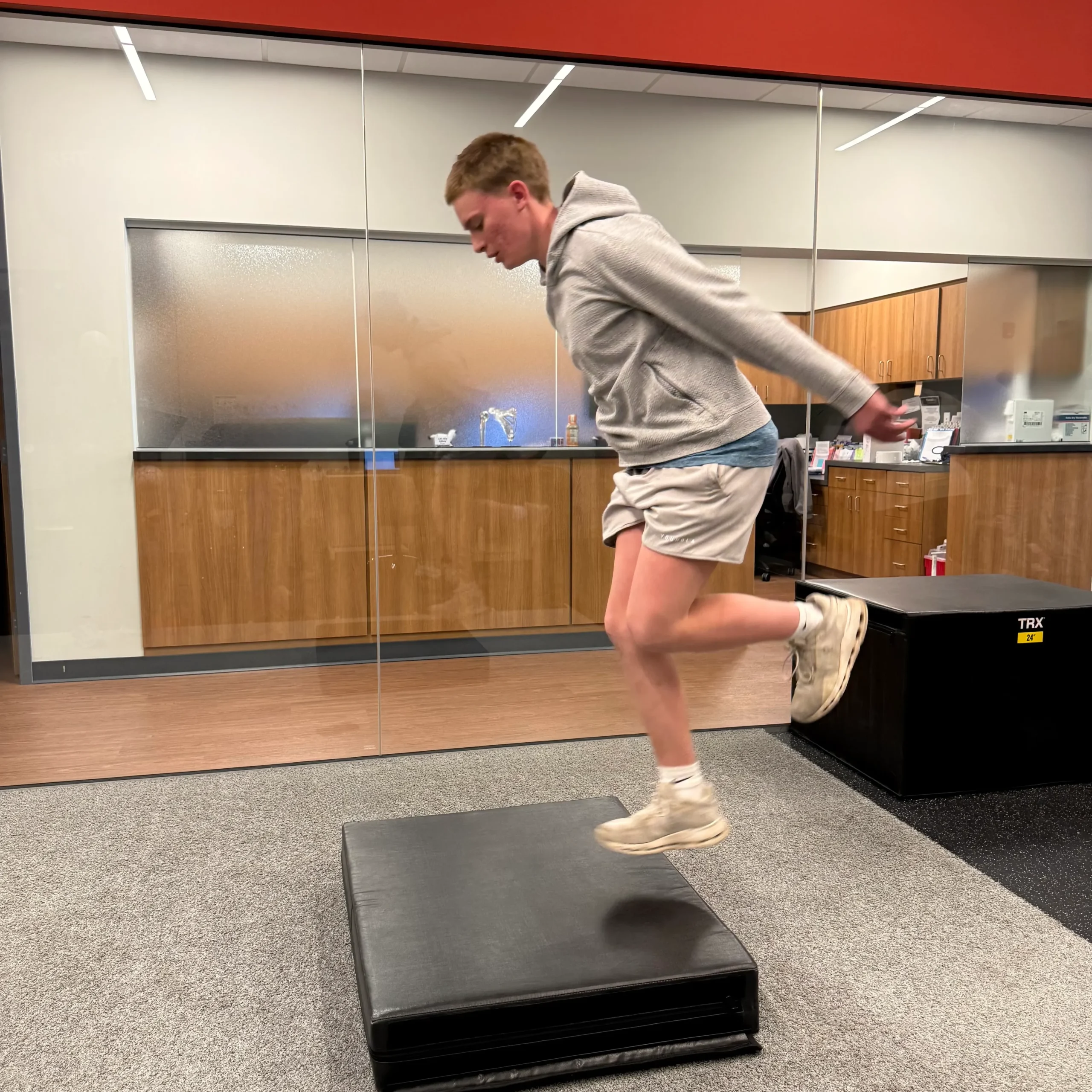
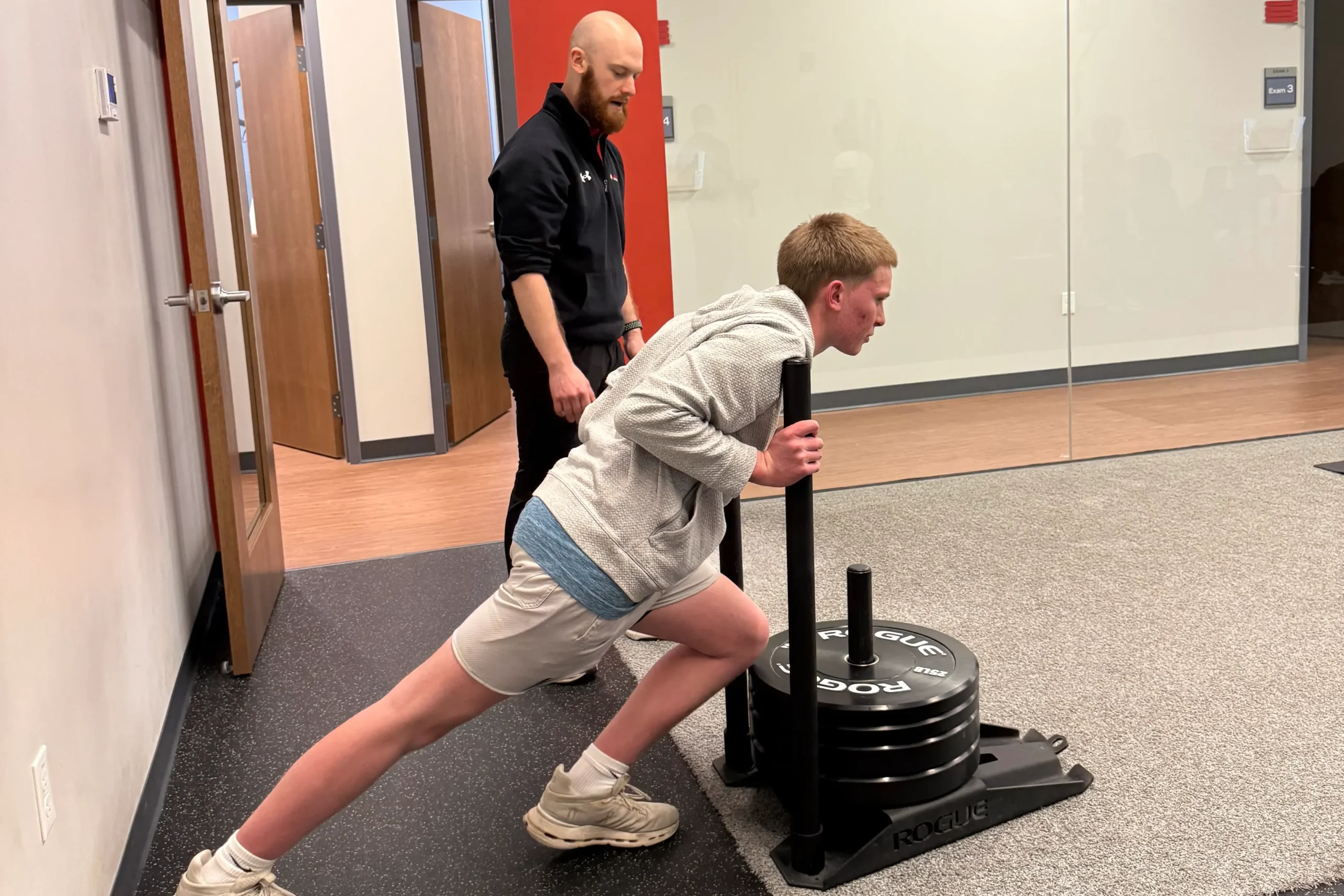
After suffering an ACL injury during football season and undergoing surgery late last year, Boston is now approximately 18 weeks into recovery and making impressive progress every week. From day one, rehab has been focused on helping him rebuild strength, regain confidence, and prepare for a safe return to the fast-paced demands of competitive sports.
A major focus of treatment has been restoring strength and power in the injured leg, especially in the quadriceps muscle. While Boston has made tremendous strides, there is still some work to do before both legs are performing at the same level during explosive movements like sprinting, jumping, and cutting.
Rehab sessions have included advanced strengthening exercises, single-leg stability training, jumping progressions, and sport-specific drills designed to improve control, speed, and overall athletic performance. We are incredibly proud of the hard work, consistency, and determination Boston has shown every step of the way, and we are excited to continue supporting him as he works toward a confident return to the field.
Stay Tuned for More Inspiring Stories and Helpful Tips in Our Upcoming Newsletters!
Stay Connected
Loved your experience at Achieve Physical Therapy? A simple follow, like, or share helps more people in our community find trusted care when they need it.
Follow us and stay connected: